What Is Ethereum Staking?
Ethereum staking involves locking ETH to support the security and operation of the Ethereum network. Thousands of people running software on computers called nodes keep Ethereum running. Some of these nodes are validators. Validators check transactions, bundle them into blocks, and propose these blocks to the network.
In return for this work, the network provides rewards in ETH. Staking ETH helps to secure the network and is the mechanism that allows Ethereum to operate securely without a central authority.
Disclaimer: Staking rewards are not guaranteed and may vary. This article is for informational purposes only and does not constitute financial advice. Always conduct your own research before making any financial decision.
How Ethereum Staking Works
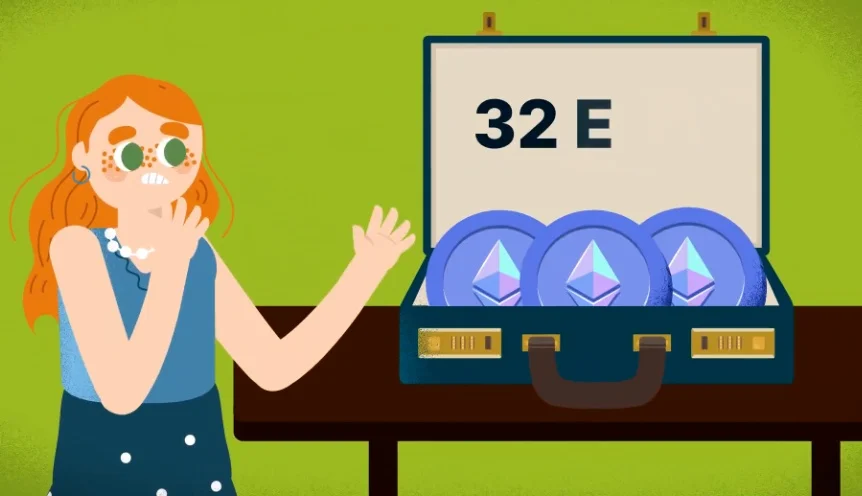
To become a validator, a minimum of 32 ETH must be staked as collateral, similar to a security deposit for good behavior. This amount is set to encourage serious commitment while maintaining network decentralization.
When a new block is to be added, the network randomly selects a validator. This selection functions like a lottery; staking more ETH increases a validator's chances of being chosen, but does not guarantee it. The selected validator proposes a block, potentially assembled by specialized block builders. Other validators then verify the block's accuracy, and if correct, it is added to the blockchain. The proposer receives the main reward, while those who help verify receive smaller rewards.

For those with less than 32 ETH, there are alternative methods to participate:
- Staking Pools: These allow users to combine their ETH with others to meet the 32 ETH requirement. Rewards are then shared proportionally among participants.
- Liquid Staking Protocols: Some staking pools offer a receipt token in exchange for staked ETH. This token represents the staked asset and can be traded or used in other decentralized finance (DeFi) applications.
- Centralized Exchanges: Many centralized exchanges provide simplified staking services, often allowing users to stake with a single click. These services typically operate their own staking pools.
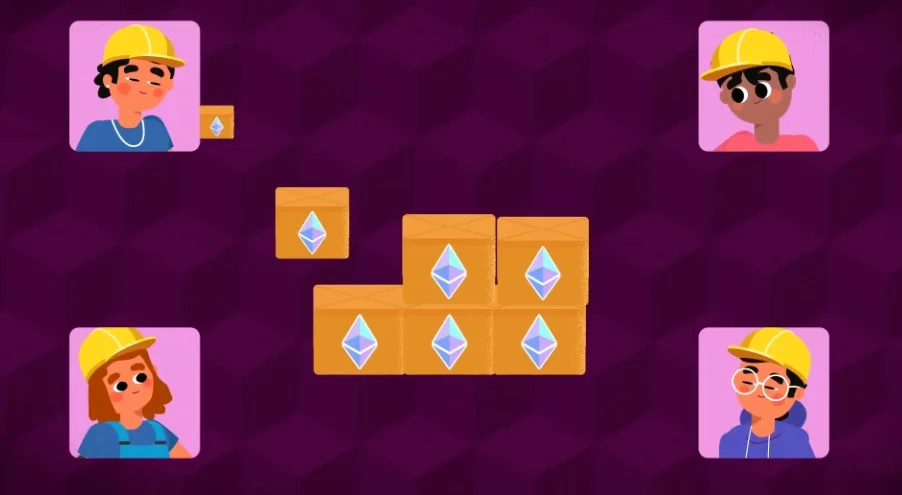

Validator: A node that checks transactions, bundles them into blocks, and suggests blocks to the Ethereum network. Staking Pools: Services that aggregate ETH from multiple users to meet the 32 ETH validator requirement, sharing rewards proportionally. Liquid Staking: A method where staking pools issue a tradable receipt token representing staked ETH. Receipt Token: A token issued by liquid staking protocols, representing staked ETH, which can be traded or used in other DeFi applications.
Staking Requirements
Requirement | Details |
|---|---|
Minimum Stake (Solo Validator) | 32 ETH |
Alternative Participation | Staking Pools, Liquid Staking Protocols, Centralized Exchanges (for less than 32 ETH) |
Lock-Up Period and Unstaking
Solo staking involves locking ETH. The source material does not provide specific details regarding unbonding periods or penalties for early exit.
Staking Risks
Participating in Ethereum staking involves several considerations and potential risks:
- Slashing Risk: Validators who act maliciously, such as proposing conflicting blocks, face a penalty called slashing. This can result in a loss of a portion of their staked ETH and temporary suspension from the network.

- Downtime and Hardware Failure: Solo stakers are responsible for maintaining their validator node's uptime. Hardware failures or going offline briefly can lead to missed rewards or, in severe cases, penalties.
- Liquidity Risk: For solo stakers, staked ETH is locked. This means it cannot be easily accessed or traded during the staking period.
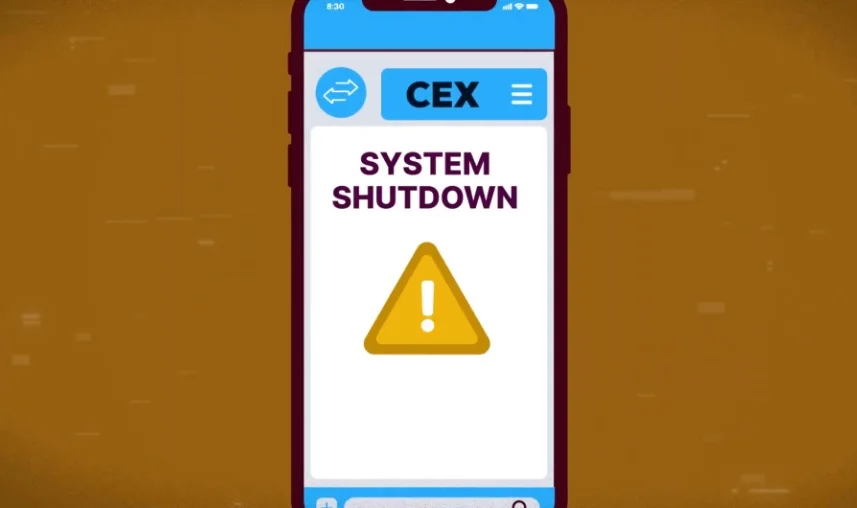
- Centralized Exchange Compromise: Staking through centralized exchanges carries the risk that if the exchange is compromised, the staked ETH may be at risk. History indicates that this is a significant concern.
- Centralization Risk (Pools/Exchanges): If staking pools or centralized exchanges grow too large, they could concentrate power, potentially weakening Ethereum's decentralization.
- Variable Rewards: As more ETH is staked across the network, potential rewards may shrink because they are divided among a greater number of validators.
Staking vs Not Staking
Staking Ethereum
- Requires locking up ETH.
- Contributes directly to the security and operation of the Ethereum network.
- Offers the potential to earn rewards in ETH.
- Involves exposure to staking-specific risks such as slashing, downtime, and liquidity constraints.
Holding Ethereum (Not Staking)
- ETH remains liquid and accessible for immediate use or trading.
- Does not directly contribute to the network's security mechanism.
- Does not earn staking rewards.
- Avoids staking-specific risks.
Frequently Asked Questions
Is Ethereum staking safe?
Staking involves inherent risks, including potential loss from slashing for malicious validator behavior, hardware failures, and exchange compromise for centralized services. Staking rewards are not guaranteed.
How much can I earn staking Ethereum?
Staking rewards are variable and depend on factors such as the total amount of ETH staked across the network. As more ETH is staked, rewards tend to decrease. Specific reward rates are estimates and can change over time.
Can I unstake at any time?
Solo staking involves locking ETH for an unspecified period. The source material does not detail immediate unstaking capabilities or specific unbonding periods for all staking methods.
What is the minimum amount to stake Ethereum?
To run a solo validator, a minimum of 32 ETH is required. Users with less than 32 ETH can participate through staking pools or liquid staking protocols.