All ChainStacker Staking

How staking works, what rewards to expect, and step-by-step guides per coin

Ethereum Staking

1 articles

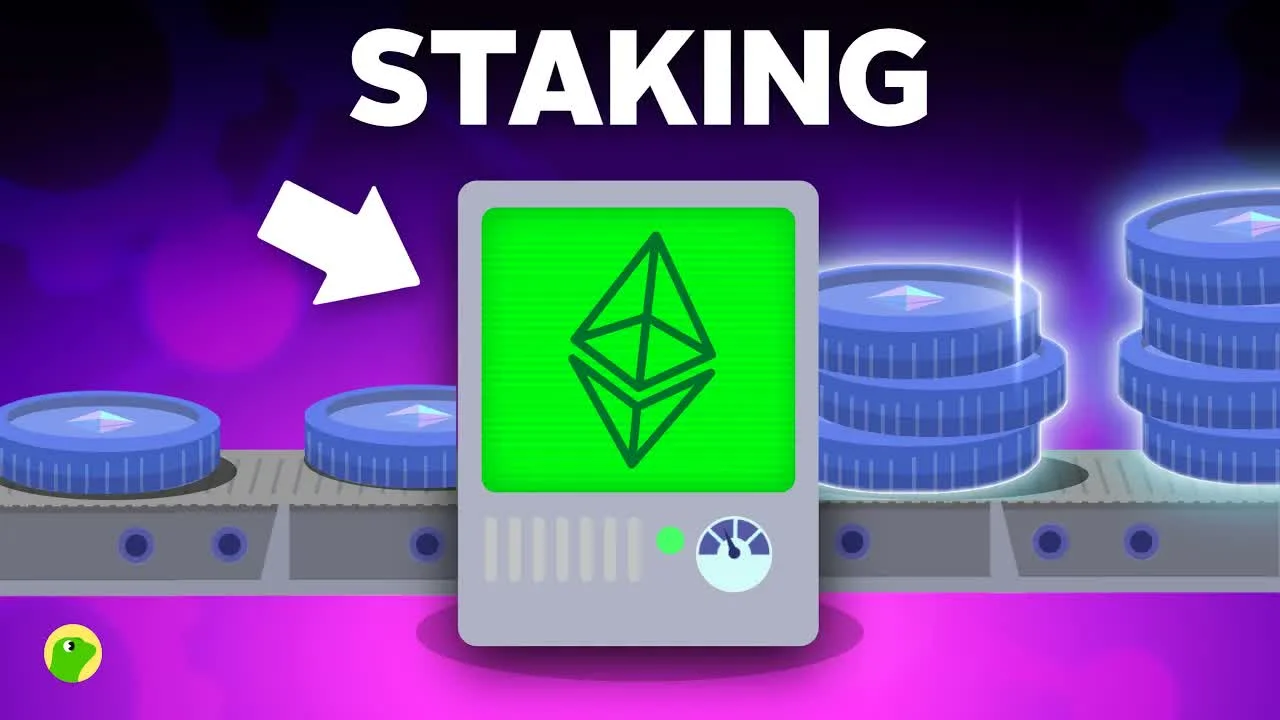
Ethereum staking involves locking ETH to support the security and operation of the Ethereum Proof of Stake network. Validators who stake a minimum of 32 ETH are selected to propose and attest to new blocks, earning staking rewards in return. Users who do not meet the 32 ETH minimum can participate through staking pools or liquid staking protocols such as Lido and Rocket Pool, which issue receipt tokens representing staked ETH.


Open hub →

Solana Staking

5 articles

Solana staking involves delegating SOL tokens to a validator on the Solana network to help secure the blockchain and earn staking rewards. Unlike Ethereum, Solana staking does not require a minimum stake amount, making it accessible to holders of any size. SOL can be staked natively through wallets such as Phantom and Solflare, or through liquid staking protocols that allow staked SOL to remain usable across the DeFi ecosystem.

Open hub →

Bitcoin Staking

1 articles

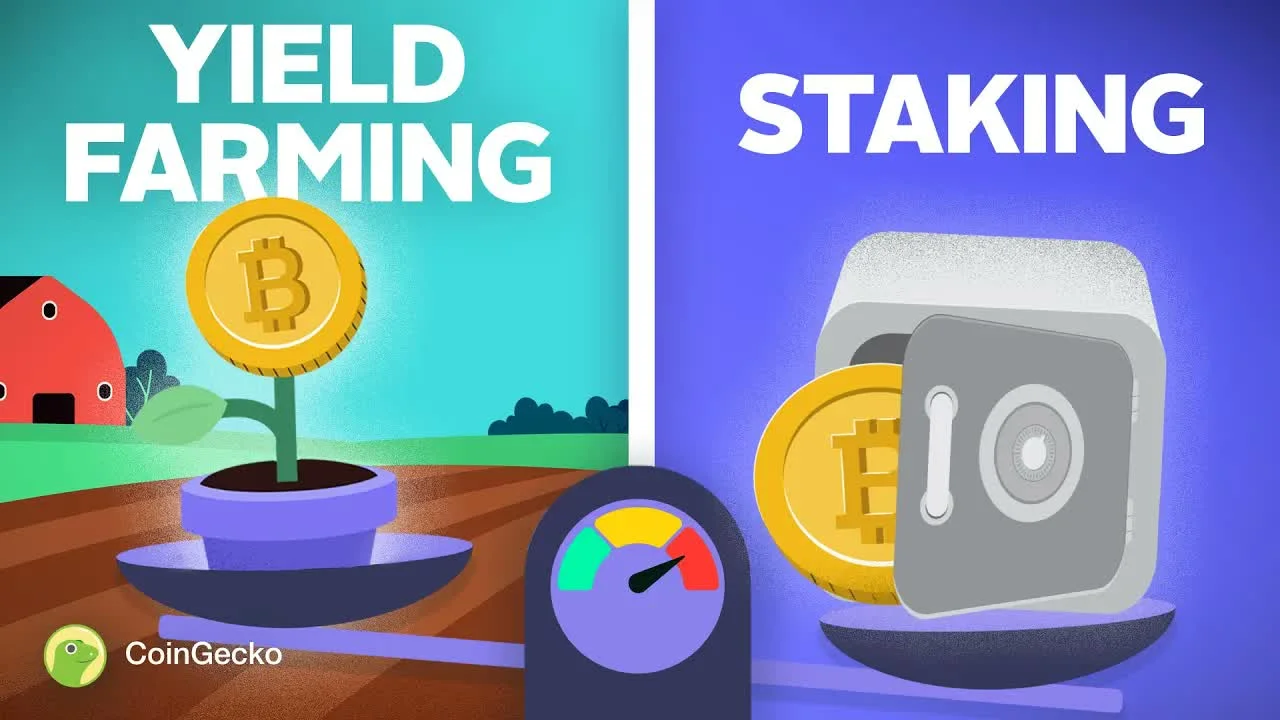
Bitcoin does not natively support staking due to its Proof of Work consensus mechanism, which relies on mining rather than validator deposits. However, several third-party protocols have introduced Bitcoin staking mechanisms that allow BTC holders to earn yield by locking their Bitcoin to support other networks or protocols. These include wrapped Bitcoin solutions, cross-chain staking protocols, and platforms such as Babylon that enable Bitcoin to be used as economic security for Proof of Stake chains.

Open hub →