What Is Ethereum?
Ethereum is an open-source platform that allows people to create and use special programs called decentralized applications or DApps. For a Bitcoin vs Ethereum: Quick Comparison, think of Ethereum as a global computer that anyone can use to build and run their own apps, much like a smartphone operating system hosts many different apps.
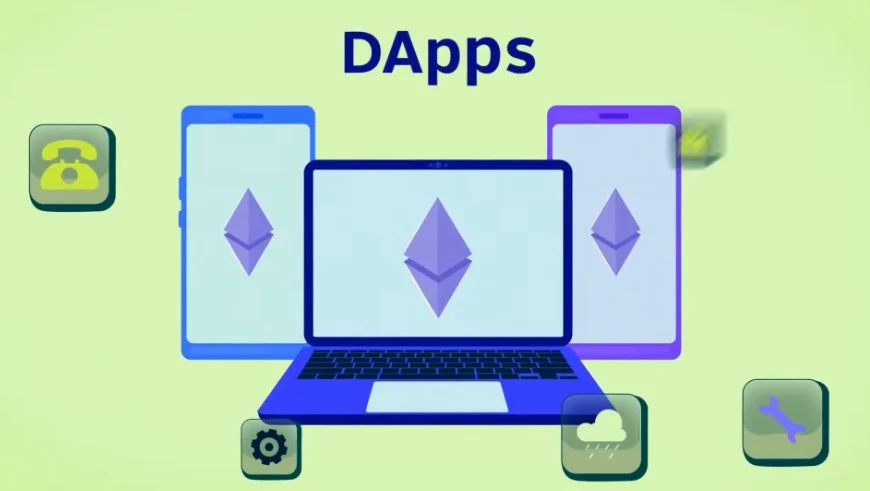
Unlike regular apps that are controlled by a single company, DApps on Ethereum don't need a central authority or third party to function. This means users interact directly with each other through the network. Ethereum was founded in 2015 by Vitalik Buterin.
To power this network and pay for its use, Ethereum has its own digital currency called Ether (ETH). Ether is used for paying small fees when you make a transaction and also to reward people who help keep the network secure.
Disclaimer: This article is for informational purposes only and does not constitute financial advice. Always conduct your own research before making any financial decision.
How Does Ethereum Work?
Ethereum works through special computer programs called smart contracts. A smart contract is like an automated agreement or a set of 'if-then' instructions that the Ethereum network uses to automatically validate transactions.
smart contract: a set of automated 'if-then' instructions that carry out agreements on the Ethereum network.
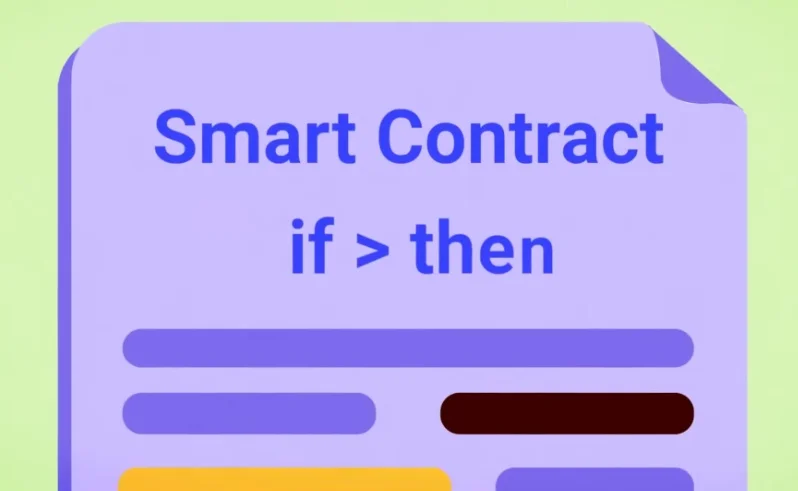
Developers create these smart contracts and put them on the Ethereum network. Once a smart contract is deployed, it becomes immutable, which means it cannot be changed. It is also transparent, meaning anyone can see its rules, and self-executing, meaning it runs automatically when its conditions are met.
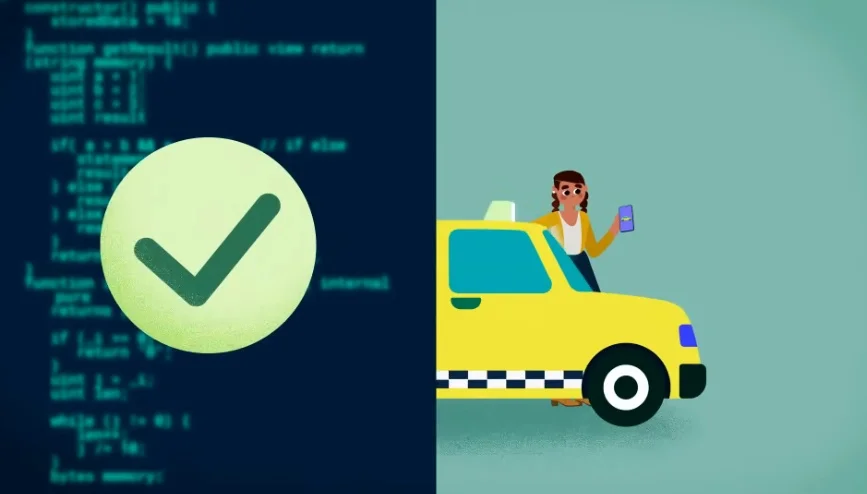
Here’s how a smart contract might work in a simple example, like a taxi service:
- A smart contract could be set up to say: IF a user pays for a taxi using Ether, THEN the user gets access to the taxi service.
- When the user makes the payment, it triggers the smart contract's code.
- This transaction and the smart contract's code are then checked and validated by many computers across the decentralized Ethereum network.
- Once verified, the smart contract automatically completes the agreement, and the user receives the taxi service without needing a company in the middle to confirm it.
Why Does Ethereum Matter?
Ethereum matters because it offers a way for people to use services and applications directly, without needing a middleman. For example, many services in life require you to trust a company or bank to handle your transactions.
With Ethereum's DApps and smart contracts, transactions are validated by the network itself, across thousands of computers. This means users perform direct transactions and don't need to rely on a single centralized authority or third party to approve or oversee their activities.
This technology can open up possibilities for many different services, from online exchanges to new ways of getting paid for digital content, all while maintaining transparency and autonomy.
Key Terms You Should Know
Term | Plain-English Meaning |
|---|---|
Ethereum | An open-source platform for creating and running decentralized applications. |
Decentralized applications (DApps) | Computer programs that run on a decentralized network like Ethereum and don't require a central authority. |
Ether (ETH) | Ethereum's native digital currency, used to power the network and pay transaction fees. |
Smart contract | An automated agreement or a set of 'if-then' instructions that automatically validates transactions on the Ethereum network. |
Immutable | Unchangeable once deployed. |
Transparent | Visible and verifiable by anyone. |
Self-executing | Runs automatically when its conditions are met. |
Common Misconceptions
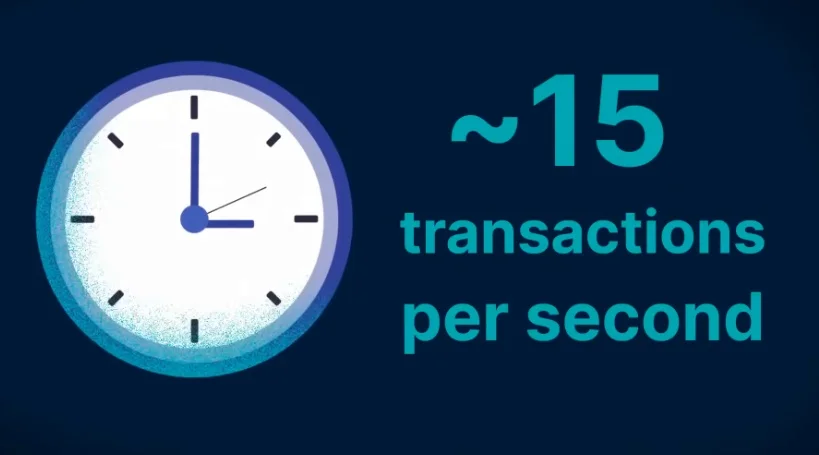
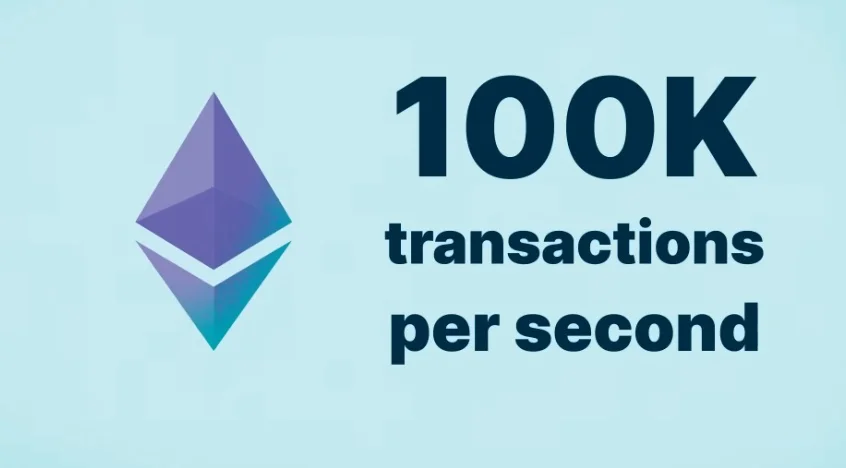
- Ethereum is slow. The Ethereum network currently processes about 15 transactions per second, which is much less than traditional payment systems like Visa. However, future upgrades are planned to greatly increase this speed, potentially allowing it to handle up to 100,000 transactions per second.
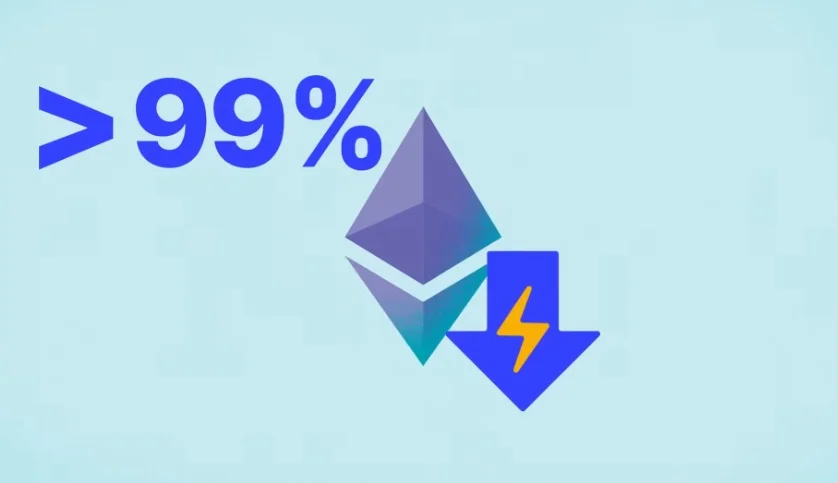
- Ethereum uses a lot of energy. Historically, Ethereum's way of operating did consume significant energy. However, Ethereum is undergoing major changes to its core technology to reduce its energy use by over 99%.
Frequently Asked Questions
Is Ethereum safe?
Ethereum operates on a decentralized network, meaning transactions are validated across thousands of computers. Smart contracts, once deployed, are immutable and transparent, which means their rules cannot be changed and are visible to everyone. This decentralized validation helps ensure the integrity of the network.
Do I need Ether to use the Ethereum network?
Yes, you need Ether (ETH) to pay for transaction fees and to use services on the Ethereum network. It is the native cryptocurrency that powers all activities on the platform.
Can anyone use Ethereum?
Yes, Ethereum is designed to be an open-source platform. Any user can create and deploy new decentralized applications (DApps) on its network without needing special permission.
Why does Ethereum need Ether?
Ether serves as the fuel for the Ethereum network. It is used to pay the necessary fees for any transaction or operation you perform on the network, and it also rewards those who help secure the network.
How fast is Ethereum?
Currently, the Ethereum network can process around 15 transactions per second. However, planned future upgrades are expected to significantly increase this capacity, potentially allowing it to handle up to 100,000 transactions per second.