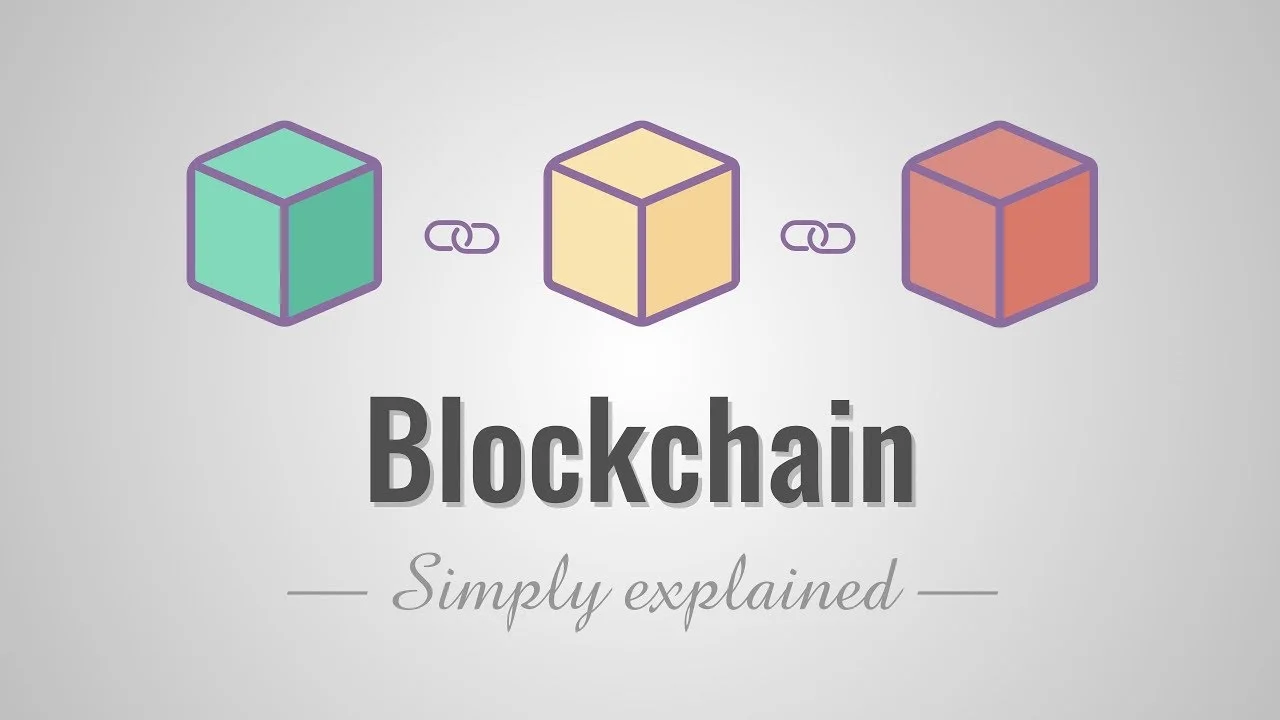
Think of a blockchain like a shared spreadsheet that nobody owns: a Bitcoin is a form of digital money that operates on such a system. It was the very first cryptocurrency, a type of digital currency secured by cryptography, and it began its journey in 2009.
Disclaimer: This article is for informational purposes only and does not constitute financial advice. Always conduct your own research before making any financial decision.
What Is Bitcoin?
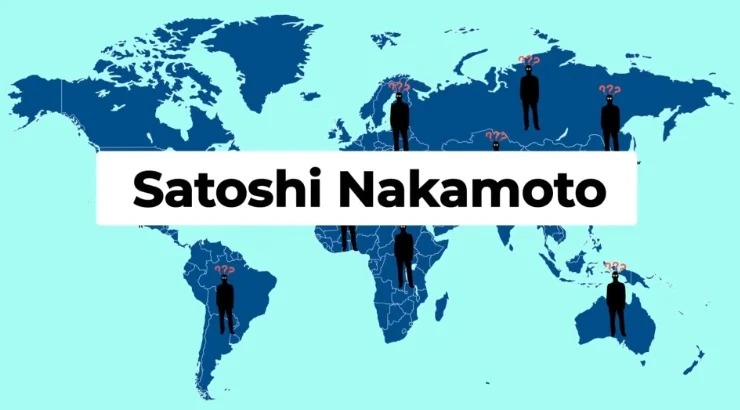
Bitcoin is the world's first and largest cryptocurrency, a type of digital or virtual money that uses cryptography for security. It was created in 2009 by an unknown individual or group using the name Satoshi Nakamoto. Imagine sending money directly to another person, like handing cash to a friend, but doing it over the internet without needing a bank in the middle. This is the core idea behind Bitcoin.
Initially, in 2009, few people knew about Bitcoin. It works on a decentralised network, meaning it isn't controlled by a single company or government. Instead, many individual computers across the globe help to keep the system running and secure.

In 2010, for example, 10,000 Bitcoins were used to buy two large pizzas, valued at about $30 at the time. This historical transaction highlights Bitcoin's early days as a medium for everyday purchases.

How Does Bitcoin Work?
Satoshi Nakamoto described how Bitcoin operates in a paper titled 'Bitcoin: A Peer-to-Peer Electronic Cash System.' The system is designed to allow direct transactions between individuals without needing a traditional financial institution to approve or manage them. This is called a peer-to-peer system.
Think of it like sharing a document directly with a friend, rather than sending it through a central mail service. In the context of Bitcoin:
peer-to-peer: A system where participants interact directly with each other, rather than through a central intermediary.
This peer-to-peer electronic cash system removes the need for a central authority.
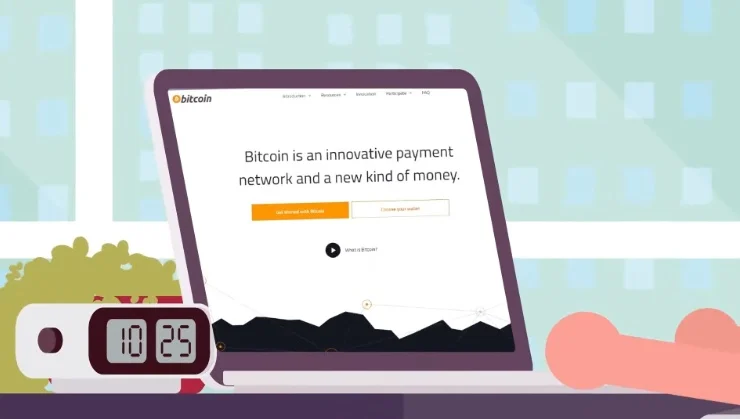
central authority: A single entity or organisation that has control over a system or network, such as a bank or a government.
Instead of a bank, the network itself collectively manages and verifies transactions, ensuring everyone agrees on the record of who owns what.
Why Does Bitcoin Matter?
Bitcoin matters because it offers a new way for people to handle digital money without relying on traditional banks or governments. It serves multiple purposes for individuals and institutions worldwide. Primarily, Bitcoin is used as a store of value.
store of value: An asset that can be held and exchanged at a later date without a significant loss in purchasing power.
This means people can hold Bitcoin with the expectation that its value will be maintained over time. It also acts as a medium of exchange, allowing people to buy and sell goods and services directly.
Furthermore, some view Bitcoin as a hedge against inflation, meaning it might help protect the value of money during times when traditional currencies lose purchasing power. Its decentralised nature eliminates the need for a central authority, giving users more control over their own digital funds.
Key Terms You Should Know
Term | Plain-English Meaning |
|---|---|
Bitcoin | The world's first and largest digital currency, operating without a central bank. |
Cryptocurrency | A type of digital currency that uses cryptography for security and operates independently of central banks. |
Satoshi Nakamoto | The unknown individual or group who created Bitcoin and published its whitepaper. |
Peer-to-peer | A system where participants interact directly with each other, without a central intermediary. |
Decentralised | A system not controlled by a single company, government, or central authority. |
Central authority | A single entity that has control over a system or network, like a bank. |
Store of value | An asset that maintains its purchasing power over time. |
Medium of exchange | Something widely accepted as payment for goods and services. |
Hedge against inflation | An investment intended to protect against a decline in the purchasing power of a currency. |
BitGold | A theoretical project by Nick Szabo, considered an early concept that influenced Bitcoin. |
Common Misconceptions
- Satoshi Nakamoto's identity is known.Correction: Despite extensive investigation, the true identity of Satoshi Nakamoto remains unknown. Many individuals have been suspected, but no definitive proof has emerged.
- Bitcoin is controlled by a single company or government.Correction: Bitcoin operates on a decentralised network, meaning no single entity has control over it. Its power is distributed among many participants.
Bitcoin vs BitGold
Bitcoin | BitGold | |
|---|---|---|
Nature | A working cryptocurrency launched in 2009. | A theoretical project that was never fully implemented. |
Creator | Satoshi Nakamoto (pseudonymous). | Nick Szabo. |
Significance | The first widely adopted cryptocurrency and peer-to-peer electronic cash system. | Considered a precursor; influenced the ideas behind Bitcoin. |
Frequently Asked Questions
Is Bitcoin safe?
Bitcoin's security comes from its underlying technology, which uses cryptography to protect transactions. A separate tool like Dashlane can help manage and secure your online passwords and personal information, adding another layer of protection for users against data breaches in their broader online activity.

Do I need a bank to use Bitcoin?
No, one of Bitcoin's core principles is to operate as a peer-to-peer electronic cash system. This means it is designed to eliminate the need for a central authority, such as a traditional bank, for transactions.
Who created Bitcoin?
Bitcoin was created by an unknown individual or group known as Satoshi Nakamoto. Their true identity has never been revealed, and it remains a mystery.
Can anyone use Bitcoin?
Yes, Bitcoin is designed to be accessible globally. Its peer-to-peer and decentralised nature means it is not restricted by national borders or controlled by a single entity, allowing individuals worldwide to participate.