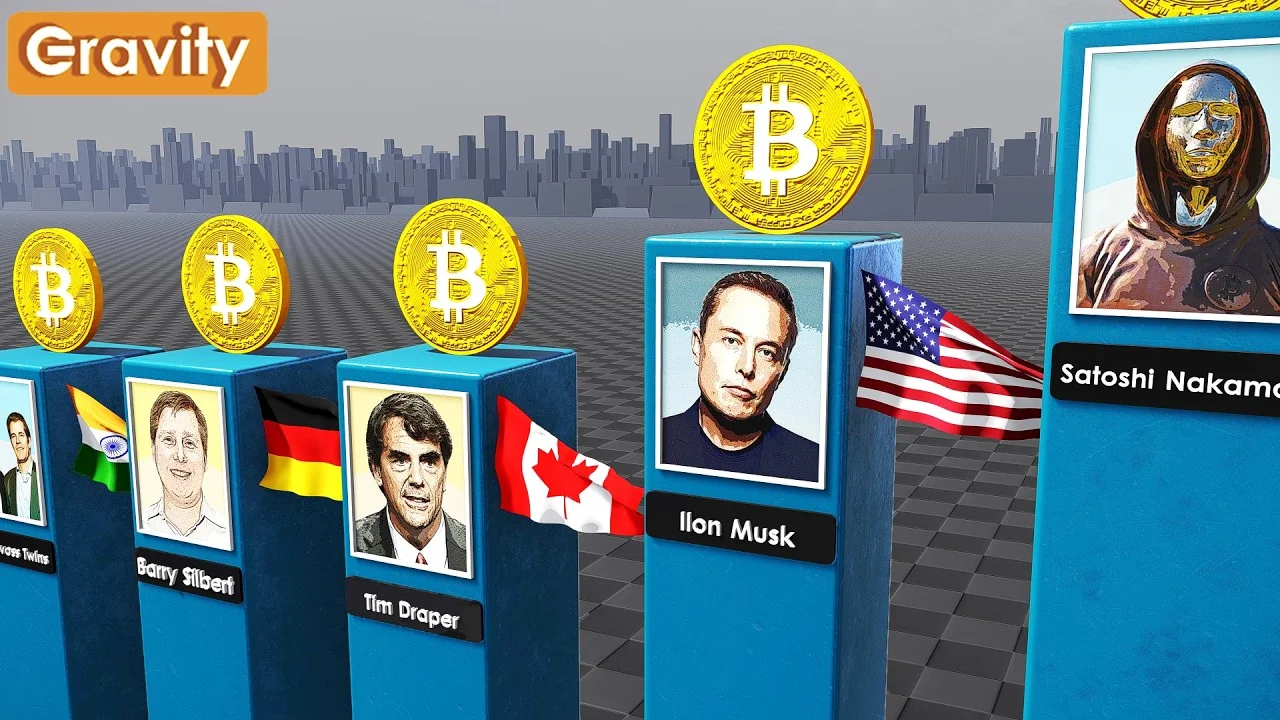
If you've ever wondered how Bitcoin actually moves from one wallet to another: Before we explore its movement, let's establish a foundational understanding of Bitcoin itself.Bitcoin is the world's first and largest cryptocurrency, created in 2009 by an unknown person or group called Satoshi Nakamoto. It was designed to be a digital form of money, serving as a store of value, a medium of exchange, and a way to protect against inflation. At its core, Bitcoin operates on a technology called blockchain. Think of a blockchain like a shared digital ledger, a chain made up of individual blocks that contain information. The idea for digital timestamping, which is a key part of how blockchain works, was developed in 1991 to prevent digital documents from being changed or backdated. A digital timestamp acts much like a traditional notary for paper documents, verifying when something was created and that it hasn't been altered.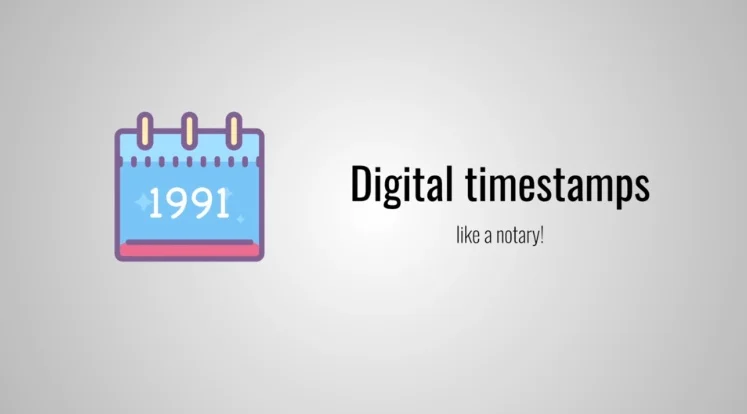
Disclaimer: This article is for informational purposes only and does not constitute financial advice. Always conduct your own research before making any financial decision.
How Does Bitcoin Work?
Bitcoin transactions are recorded and secured using this blockchain technology. Each individual block within this chain holds specific pieces of information. It contains data (like transaction records), a unique hash for that block, and the hash of the previous block in the chain.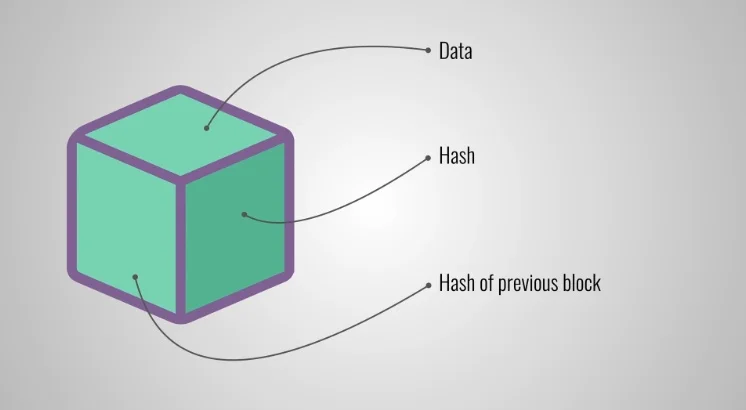
A hash is like a unique digital fingerprint for a block. It identifies the block and all its contents; if even a tiny piece of data inside the block is changed, its hash will change completely. This unique fingerprinting and linking creates a secure sequence. Because each block includes the hash of the one before it, altering an old block would change its hash, which would then invalidate the next block in the chain, and so on.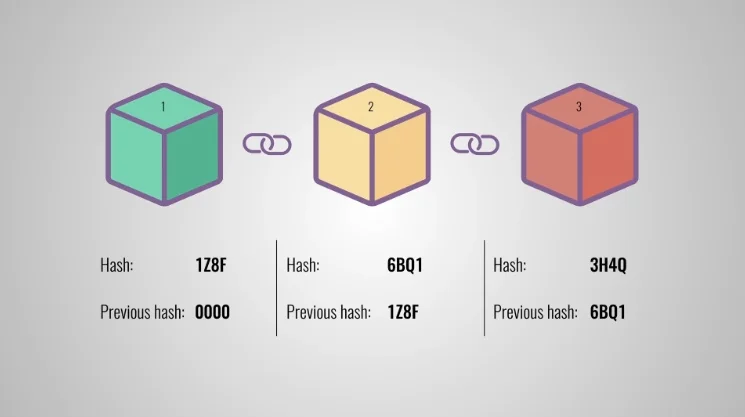
To make tampering even more difficult, Bitcoin uses a mechanism called Proof-of-work, which is the foundational process behind Bitcoin Mining. This is a computational puzzle that takes time to solve, deliberately slowing down the creation of new blocks. In the Bitcoin network, it takes approximately 10 minutes to calculate the Proof-of-work needed to add a new block to the chain.
Instead of relying on a single central authority, Bitcoin uses a peer-to-peer network. This means that many different computers, or 'peers,' all have a copy of the blockchain and work together to verify and manage it.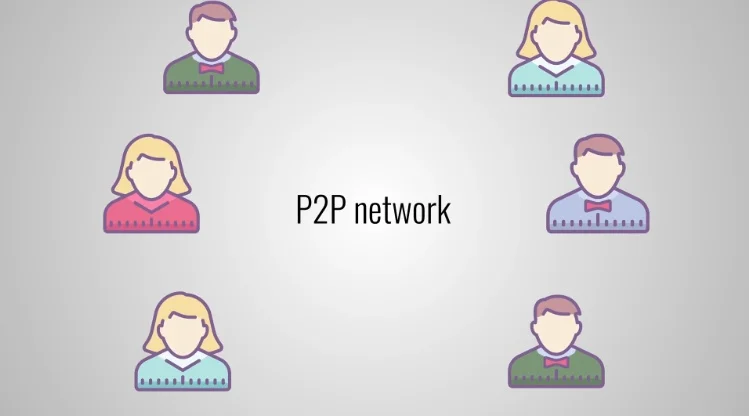
Why Does Bitcoin Matter?
Bitcoin matters because it offers a way to manage digital money without needing a central bank or financial institution. Its peer-to-peer network means no single entity controls the system, making it resistant to censorship or single points of failure. The blockchain structure, with its linked hashes and Proof-of-work, makes it extremely difficult to change past records. Once information is recorded, it's considered almost impossible to alter, providing a high level of security and transparency. For many, Bitcoin serves as a digital store of value, similar to how gold has been viewed historically. It can also be used as a medium of exchange for purchases or as a potential hedge against inflation. The underlying blockchain technology can also support smart contracts, which are automated programs stored on the blockchain that execute agreements when specific conditions are met.
Key Terms You Should Know
Term | Plain-English Meaning |
|---|---|
Bitcoin | The world's first and largest digital currency, created in 2009. |
Cryptocurrency | A digital or virtual currency secured by cryptography, making it nearly impossible to counterfeit. |
Satoshi Nakamoto | The pseudonymous creator or creators of Bitcoin. |
Store of value | An asset that tends to retain its purchasing power over time. |
Medium of exchange | An intermediary instrument used to facilitate the sale, purchase, or exchange of goods and services. |
Blockchain | A distributed, unchangeable digital ledger that records transactions in 'blocks' linked together. |
Block | An individual unit in a blockchain containing data, a unique hash, and the hash of the previous block. |
Data | The information stored within a block, such as transaction details. |
Hash | A unique digital fingerprint that identifies a block and its contents; changes if any data in the block is altered. |
Digital timestamp | A method used to prove that a piece of digital data existed at a particular point in time. |
Notary | A person authorized to perform specific legal formalities, such as witnessing signatures or certifying documents. |
Proof-of-work | A mechanism that requires computational effort to create new blocks, making the blockchain more secure and resistant to tampering. |
Peer-to-peer network | A decentralized network where all connected computers (peers) share resources and tasks directly with each other, rather than through a central server. |
Smart contracts | Simple computer programs stored on a blockchain that automatically execute predefined actions when certain conditions are met. |
Frequently Asked Questions
What is a cryptocurrency?
A cryptocurrency is a digital or virtual currency that is secured by complex cryptography, making it very difficult to counterfeit or double-spend. Bitcoin is an example of a cryptocurrency.
How long does it take to add a new block to the Bitcoin network?
In the Bitcoin network, it takes approximately 10 minutes to calculate the necessary Proof-of-work and add a new block containing transactions to the blockchain.
Who controls the Bitcoin network?
No single entity controls the Bitcoin network. It is managed in a distributed way by a peer-to-peer network of many computers around the world, all working together.
Can old Bitcoin transactions be changed?
No, it is extremely difficult to change old Bitcoin transactions once they have been recorded in a block and added to the blockchain. The system's design, including linked hashes and Proof-of-work, helps ensure that data is practically unchangeable.