What Is Bitcoin?
Bitcoin is a peer-to-peer digital currency that works entirely online without needing central authorities like banks. It was created in 2008 by someone known as Satoshi Nakamoto, in a time when many people had lost trust in traditional financial institutions.
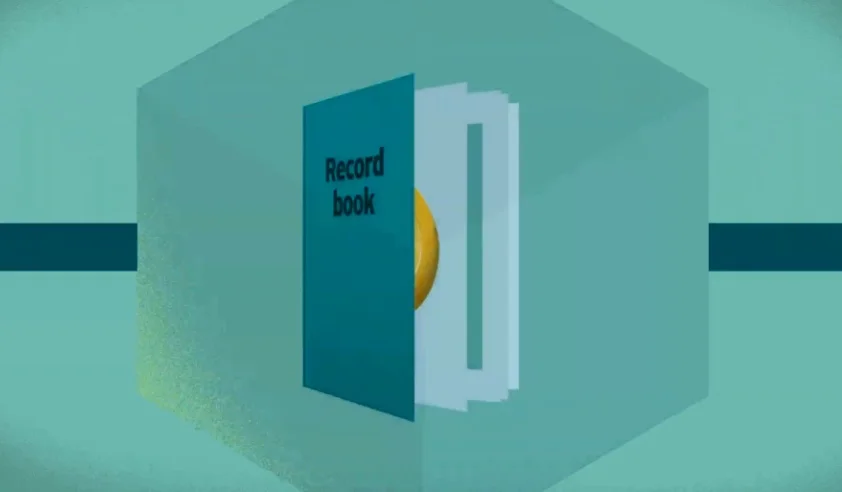
Think of Bitcoin as a special type of money that people can send directly to each other over the internet. Instead of a bank keeping track of everyone's money, a shared digital record book called a blockchain keeps track of all Bitcoin transactions.
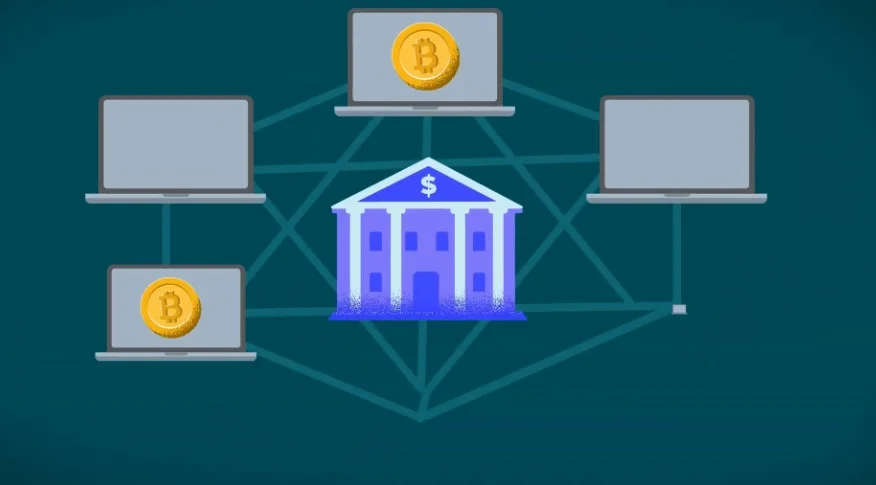
This blockchain is maintained by a global network of computers, run by individuals, known as nodes. These nodes work together to ensure that all transactions are recorded accurately and transparently.
Disclaimer: This article is for informational purposes only and does not constitute financial advice. Always conduct your own research before making any financial decision.
How Does Bitcoin Work?
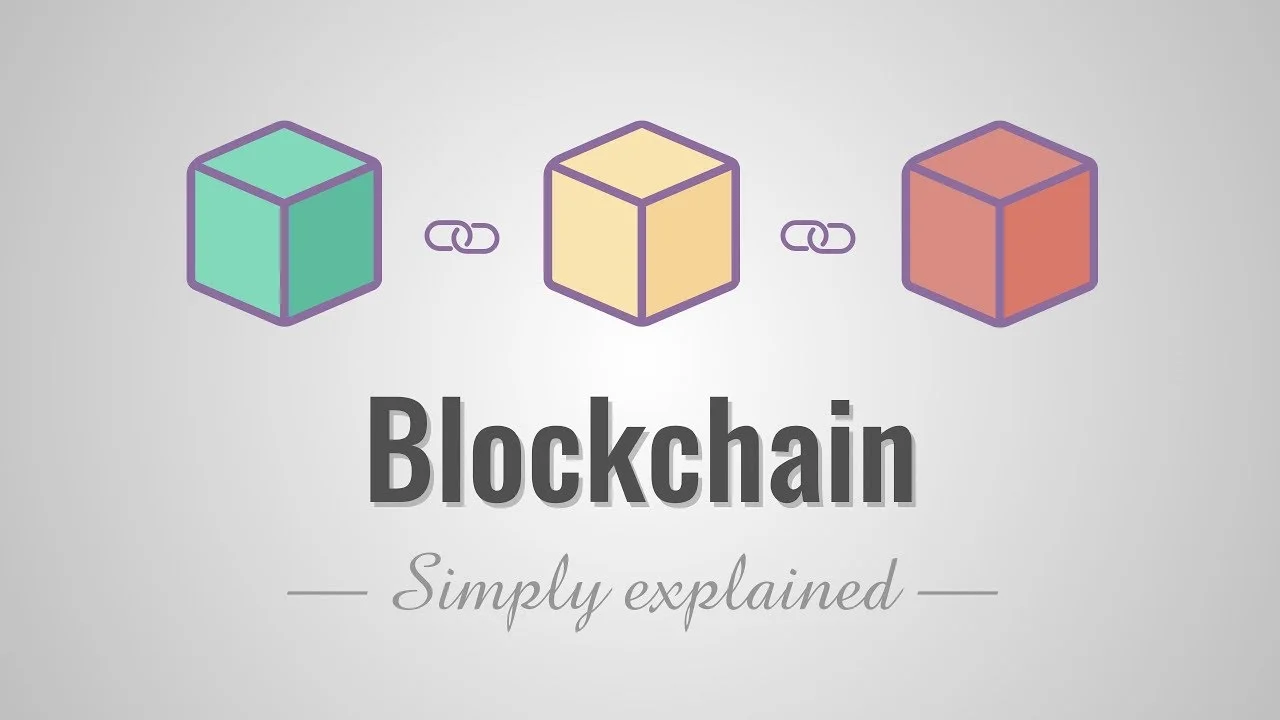
Bitcoin operates on a special kind of digital record book called a blockchain. This blockchain is like a public ledger that records every single Bitcoin transaction ever made.
blockchain: A digital record book or ledger that records all transactions of a cryptocurrency, secured by cryptographic linking.
Instead of a single bank managing this ledger, it is maintained by a global network of computers, called nodes. These nodes are essentially people running special Bitcoin software on their computers.
nodes: People or computers running open-source Bitcoin code to maintain the Bitcoin network.
When someone sends Bitcoin, that transaction is broadcast to this network of nodes. Each of these Bitcoin transactions is then cryptographically linked to the one before it, forming a chain-like sequence.
This cryptographic linking means any attempt to change a transaction would be immediately obvious to the entire network. This system ensures that all transactions are transparent and helps prevent fraud.
Bitcoin also allows users to have self-custody of their coins, meaning they control their own money directly. This is done using digital cryptographic wallets, which are like secure digital safe boxes for Bitcoin.
self-custody: The ability for users to directly control their own digital coins without needing a third party. digital cryptographic wallets: Software or hardware that allows users to store and manage their digital coins securely.
Why Does Bitcoin Matter?
Bitcoin matters because it offers a new way to handle money that doesn't rely on traditional banks or governments. This decentralized approach gives individuals more control over their own money.
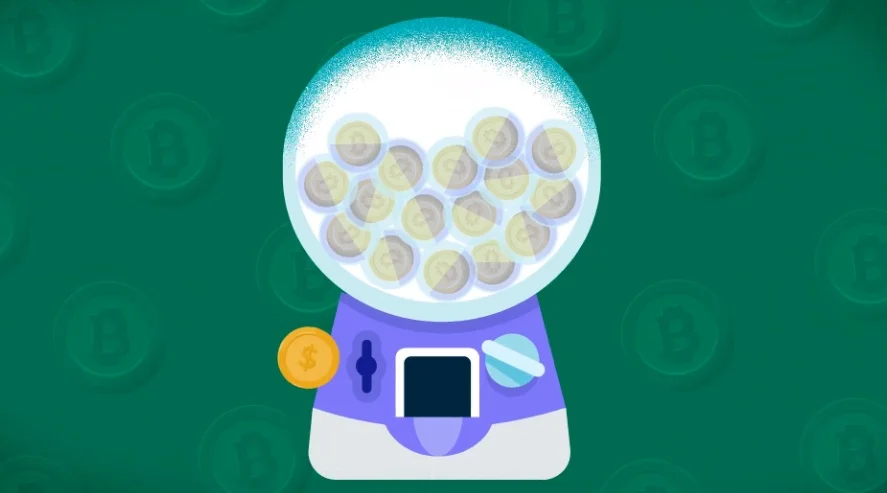
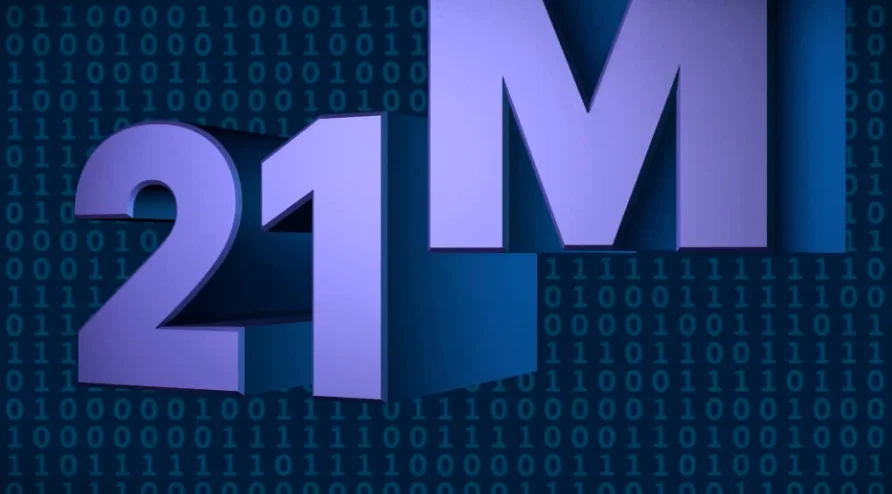
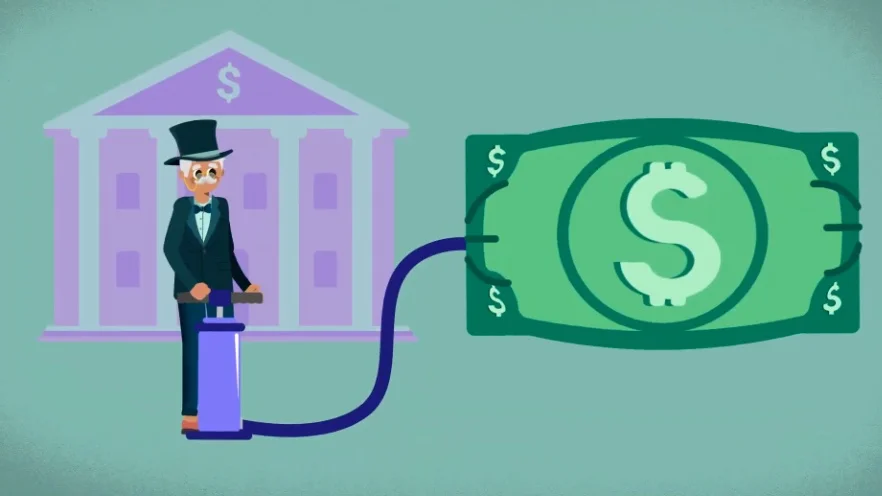
One important feature of Bitcoin is its limited supply. There will only ever be 21 million Bitcoin in existence, as this rule is written into its code. This scarcity is very different from fiat currencies, which are traditional currencies like the US dollar that governments can print more of.
limited supply: A fixed, maximum number of coins that can ever exist for a cryptocurrency. fiat currencies: Traditional government-issued currencies that are not backed by a physical commodity like gold.
Because of its fixed supply, many people see Bitcoin as a potential store of value, similar to digital gold. It can also act as a hedge against inflation, meaning it might help protect against the value of traditional money going down over time.
store of value: An asset that can be held and exchanged for goods and services in the future without losing its purchasing power. hedge against inflation: An investment or asset intended to protect against the loss of purchasing power of currency due to rising prices.
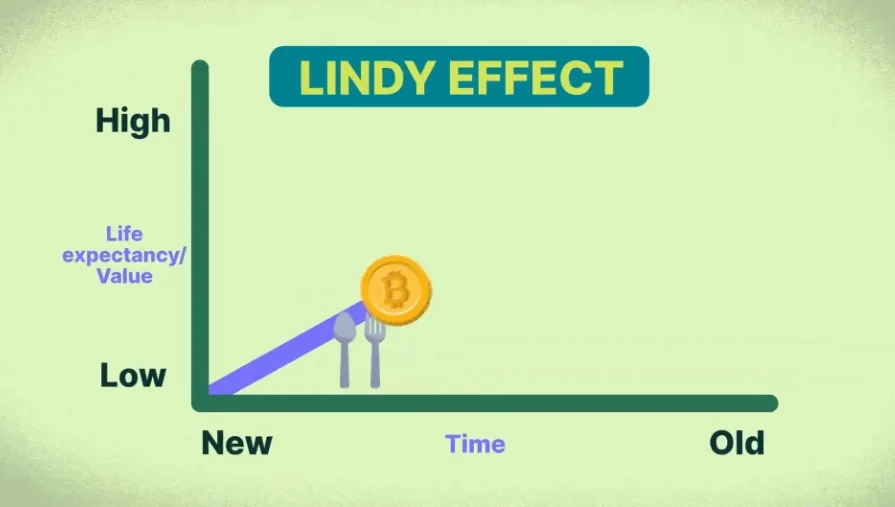
Bitcoin's continued existence and growing acceptance also strengthen its importance. The Lindy Effect suggests that the longer something like a technology or idea has survived, the longer it is likely to continue to survive.
Lindy Effect: The idea that the future life expectancy of something non-perishable, like technology, increases the longer it has already survived.
After 15 years, Bitcoin is no longer just a small interest for tech enthusiasts. It has lasted longer than many other digital currencies and continues to gain broader acceptance.
Key Terms You Should Know
Term | Plain-English Meaning |
|---|---|
Peer-to-peer digital currency | An online form of money that people can send directly to each other without needing banks. |
Blockchain | A digital record book or ledger that records all transactions of a cryptocurrency, secured by cryptographic linking. |
Nodes | People or computers running open-source Bitcoin code to maintain the Bitcoin network. |
Self-custody | The ability for users to directly control their own digital coins without needing a third party. |
Digital cryptographic wallets | Software or hardware that allows users to store and manage their digital coins securely. |
Limited supply | A fixed, maximum number of coins that can ever exist for a cryptocurrency. |
Fiat currencies | Traditional government-issued currencies that are not backed by a physical commodity like gold. |
Store of value | An asset that can be held and exchanged for goods and services in the future without losing its purchasing power. |
Hedge against inflation | An investment or asset intended to protect against the loss of purchasing power of currency due to rising prices. |
Lindy Effect | The idea that the future life expectancy of something non-perishable, like technology, increases the longer it has already survived. |
Bitcoin vs Traditional Currency
Bitcoin works differently from traditional money, also known as fiat currency, and the banking system we commonly use.
Bitcoin | Traditional Currency | |
|---|---|---|
Authority | Functions without central authorities like banks. | Relies on central authorities like banks and governments. |
Supply | Has a fixed maximum supply of 21 million coins. | Can be inflated by central banks printing more money. |
Control | Allows for self-custody; users control their own coins. | Banks can reverse, block transactions, or freeze accounts. |

Frequently Asked Questions
Is Bitcoin safe?
Bitcoin's network uses strong cryptography and is maintained by many computers (nodes) to prevent fraud. This system makes it very difficult to alter transactions. However, like any digital system, it's important to keep your own digital wallet secure.
Do I need a bank to use Bitcoin?
No, Bitcoin is designed to function as a peer-to-peer digital currency, meaning you can send and receive it directly with others. It works without needing central authorities like banks to process transactions.
How is Bitcoin different from regular money?
Bitcoin has a limited supply of 21 million coins, which is fixed in its code. Regular money, or fiat currency, can have more printed by central banks, which can lead to its value changing over time.
Can anyone use Bitcoin?
Yes, the Bitcoin network is open for anyone to participate in. Anyone can run a node or use a digital cryptographic wallet to send and receive Bitcoin. All transactions are publicly visible on the blockchain for transparency.
What does 'decentralized' mean for Bitcoin?
Decentralized means that no single company, bank, or government controls Bitcoin. Instead, it is maintained by a global network of independent computers (nodes). This helps ensure transparency and prevents any single entity from making changes without the network's agreement.