Crypto wallets are digital tools that allow you to interact with the vast world of cryptocurrency and other digital assets. They are your gateway to buying, selling, and managing tokens on various blockchain networks. Think of a crypto wallet not as a physical place where your money sits, but more like a special keychain that holds the unique keys to your digital belongings, which are stored securely on a public ledger.
Disclaimer: This article is for informational purposes only and does not constitute financial advice. Always conduct your own research before making any financial decision.
What Is a Crypto Wallet?
A crypto wallet is essentially a digital tool that holds your private keys. These private keys are like a unique, secret password that proves you own your crypto tokens, which are always stored on the blockchain itself, not directly inside your wallet.
Your private key acts as your digital signature, which you use to confirm and authorize transactions on the blockchain. This signature is how you tell the network that you want to move or manage your funds. Without your private key, no one can access or spend your tokens.
How Does a Crypto Wallet Work?
When you want to do something with your crypto, like send it to someone or use a decentralized application (dApp), your crypto wallet helps you create and sign a transaction. This process uses your private key to prove you are the owner authorizing the action.
Core Mechanics
Private Key: A secret code that proves you own your cryptocurrency and allows you to authorize transactions.
Your crypto wallet will generate a unique string of words, typically 12 or 24, called a seed phrase. This phrase is incredibly important for the security and recovery of your funds.
Seed Phrase: A special list of words that acts as a master key to recover all your crypto tokens if you lose access to your wallet.
If you ever lose your phone or computer, or your wallet app becomes inaccessible, your seed phrase is the only way to get back your funds. You can enter this phrase into any compatible crypto wallet on any device, and you will instantly regain access to all your tokens.
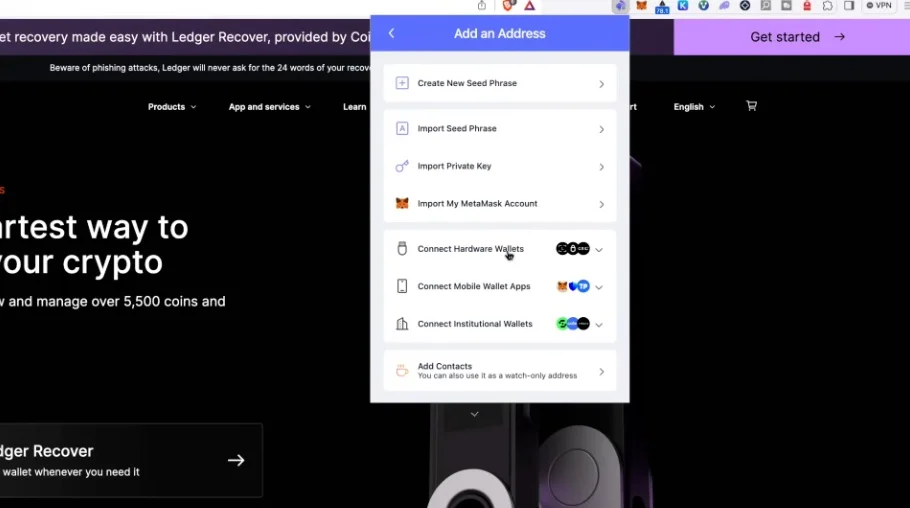
Extra Security with a Hardware Wallet
For extra security, you can use a hardware wallet. These are physical, offline devices, often resembling a USB stick.
Hardware Wallet: A physical device that stores your private keys offline, adding an extra layer of security against online hacking attempts.
With a hardware wallet, your private keys are stored on a secure chip within the device, completely disconnected from the internet. When you want to make a transaction, you physically connect the hardware wallet and press buttons on it to approve, ensuring your private keys never touch your online computer.
Network Transactions and Fees
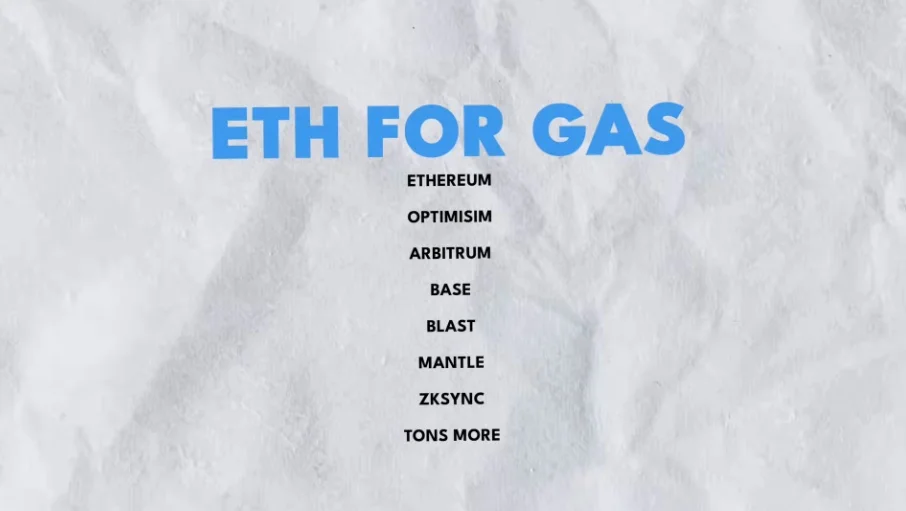
Every time you perform an action on a blockchain, such as sending tokens or using a dApp, you need to pay a small fee. These fees are paid using specific gas tokens native to that blockchain network.
Gas Tokens: The native cryptocurrency of a blockchain network used to pay for transaction fees.
For example, on the Ethereum blockchain and its related networks, you pay fees using ETH. On other networks like Polygon, you would use MATIC.
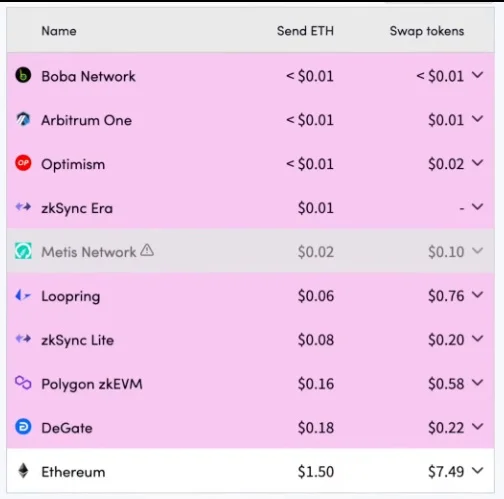
Sometimes, fees on popular networks like Ethereum can become expensive. To address this, there are Ethereum Layer 2 networks.
Ethereum Layer 2 Networks: Separate blockchain networks built on top of Ethereum that process transactions more cheaply and quickly.
Layer 2 networks like Arbitrum, Optimism, and Base offer much cheaper transaction fees, often just pennies. If you are new to crypto, using these Layer 2 options can be a more cost-effective way to get started.
Getting Tokens Early with Airdrops
An airdrop is a way for new cryptocurrency projects or applications to distribute their tokens to early users.
Airdrop: An incentive mechanism where new tokens are given to users, often for using a platform or holding certain cryptocurrencies, to encourage adoption.
By using certain wallets or interacting with new apps on the blockchain, you might be eligible to receive free tokens through an airdrop when they launch.
Why Does a Crypto Wallet Matter?
Crypto wallets are crucial because they enable self-custody of your digital assets. This means you, and only you, have full control over your funds, without needing to rely on a bank or any other company.
With self-custody, there's no customer support line to call if you make a mistake or lose your funds. This places a high degree of responsibility on you to keep your private keys and seed phrase safe. However, it also gives you unprecedented control and freedom over your money.
The ability to recover your entire wealth with just a seed phrase means you can secure your assets in a way never before possible. For instance, in a challenging situation like fleeing a war-torn country, you could memorize your seed phrase and carry your entire financial worth in your head, inaccessible to anyone else, then recover it anywhere in the world.
Key Terms You Should Know
Term | Plain-English Meaning |
|---|---|
Crypto Wallet | A digital tool that holds your secret keys to access and manage your cryptocurrency. |
Cryptocurrency | Digital money that uses cryptography for security and operates independently of a central bank. |
Private Key | A secret code that proves you own your cryptocurrency and allows you to authorize transactions. |
Crypto Tokens | Digital assets that represent value or utility on a blockchain. |
Blockchain | A secure, shared, and unchangeable record of transactions, maintained across a network of computers. |
Digital Signature | A cryptographic method used to prove ownership and authorize transactions using your private key. |
Seed Phrase | A special list of words that acts as a master key to recover all your crypto tokens if you lose access to your wallet. |
Hardware Wallet | A physical device that stores your private keys offline, adding an extra layer of security against online hacking attempts. |
Gas Tokens | The native cryptocurrency of a blockchain network used to pay for transaction fees. |
Ethereum | A popular blockchain platform known for its smart contracts and large ecosystem of decentralized applications. |
ETH | The native cryptocurrency of the Ethereum blockchain, used for gas fees and other transactions. |
Ethereum Layer 2 Networks | Separate blockchain networks built on top of Ethereum that process transactions more cheaply and quickly. |
Airdrop | An incentive mechanism where new tokens are given to users, often for using a platform or holding certain cryptocurrencies, to encourage adoption. |
Self-Custody | The act of having direct control and responsibility over your own digital assets, without relying on a third party. |
Decentralized Application (dApp) | An application that runs on a blockchain network rather than a centralized server. |
Common Misconceptions
- Misconception: Your crypto is stored inside your wallet.
- Correction: Your crypto tokens are always stored on the blockchain itself. Your wallet only holds the private keys that prove you own those tokens and allow you to access them.
Frequently Asked Questions
Is a crypto wallet safe?
Yes, a crypto wallet can be very safe if managed correctly. The safety primarily depends on how well you protect your private keys and seed phrase. Keeping your seed phrase secret and using a hardware wallet for valuable holdings significantly enhances security.
Do I need a crypto wallet to use crypto?
Yes, a crypto wallet is essential if you want to directly interact with cryptocurrencies and decentralized applications on a blockchain. It's your personal gateway to participating in the crypto ecosystem.
How is a crypto wallet different from a bank account?
A crypto wallet gives you self-custody, meaning you have full control over your funds without any third party like a bank. If you lose your access (and don't have your seed phrase), there's no company to call to recover them. With a bank account, the bank holds your money and can help you if you lose access, but also has control over your funds.
Can anyone use a crypto wallet?
Yes, anyone can set up and use a crypto wallet. They are accessible globally and don't require traditional financial accounts or approvals. However, it's crucial to learn how to use them carefully to avoid mistakes.
Why do I need gas tokens?
Gas tokens are required to pay for the fees associated with processing your transactions on a blockchain. These fees compensate the network participants who secure and validate your transaction, ensuring it is recorded on the blockchain.
What are Ethereum Layer 2 networks?
Ethereum Layer 2 networks are separate systems built on top of the main Ethereum blockchain. They help process transactions more quickly and at a lower cost than the main Ethereum network, making it more affordable and efficient to use Ethereum-based applications.