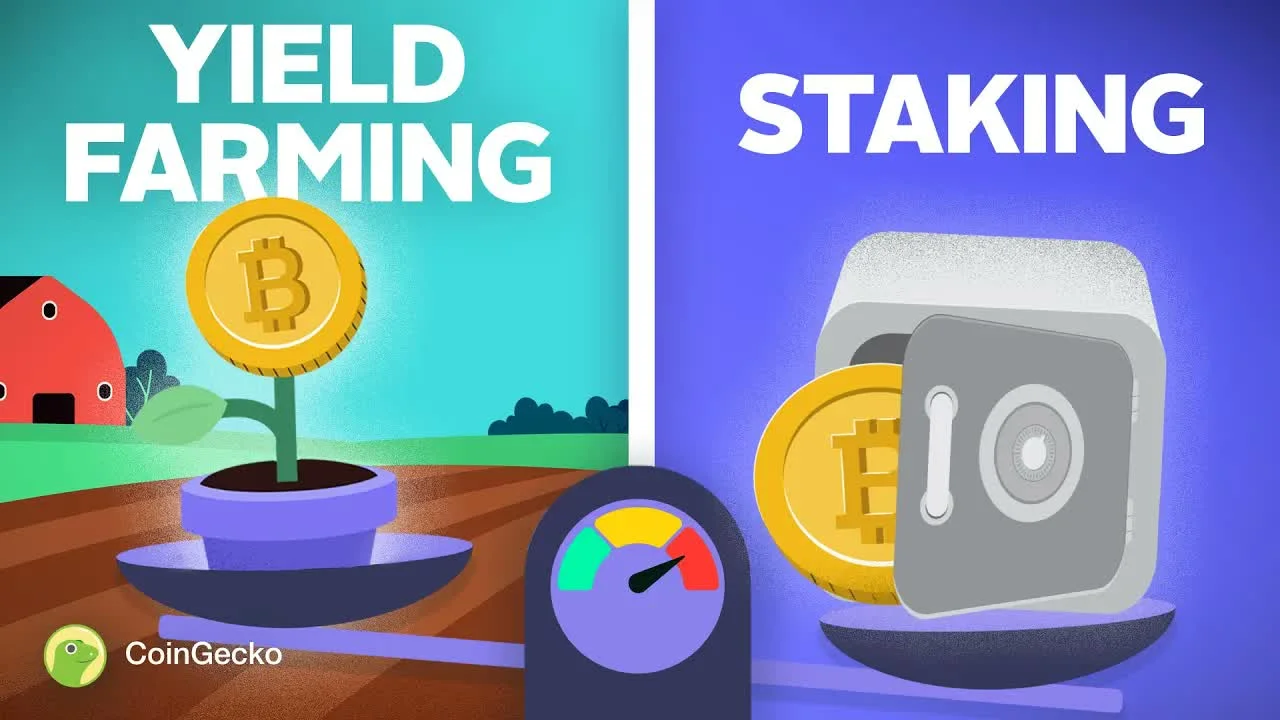
Staking is a process where individuals commit their cryptocurrency tokens to support the operations of a network. Think of it like a loyalty program: you lock up your digital assets to gain certain benefits. In its traditional sense, this action directly helps secure the underlying network.
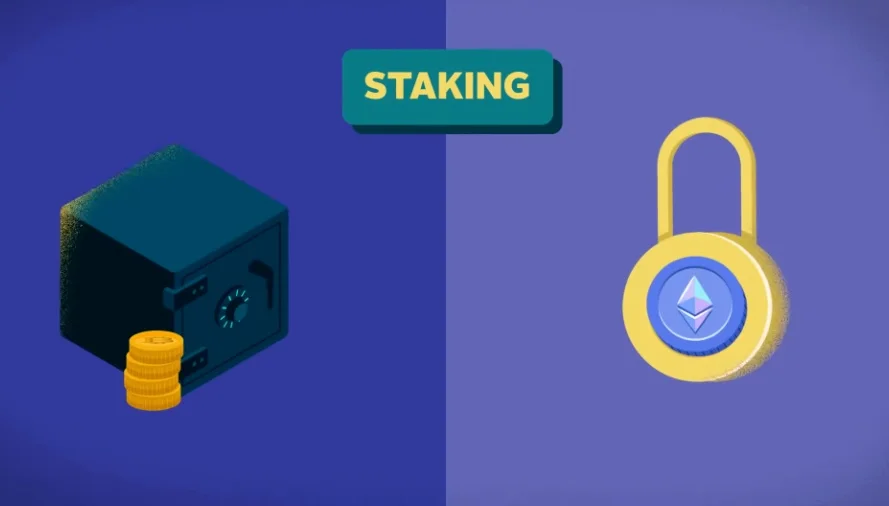
The word "staking" has also been used for any kind of token lock-up that rewards users, similar to a membership program. These rewards might be boosted yields, the ability to vote on network decisions, or increased voting power. This broader use means not all staking directly contributes to network security.
Disclaimer: This article is for informational purposes only and does not constitute financial advice. Always conduct your own research before making any financial decision.
What Is Staking?
Staking is a process where individuals commit their cryptocurrency tokens to support the operations of a network. Think of it like a loyalty program: you lock up your digital assets to gain certain benefits. In its traditional sense, this action directly helps secure the underlying network.

The word "staking" has also been repurposed to mean any kind of token lock-up that rewards users, similar to a membership or loyalty program of sorts. These benefits might include earning boosted yields, participating in governance, or getting multiplied voting power. This broader use means not all staking directly contributes to network security.
Cryptocurrency: A type of digital money that uses cryptography for security. Tokens: Digital assets that exist on a cryptocurrency network.
How Does Staking Work?
Some cryptocurrency networks use a method called Proof-of-Stake to keep their systems secure and operational. In these networks, staking involves users or special computers called validators locking up their tokens. This process helps the network reach an agreement, known as network consensus, on which transactions are valid.
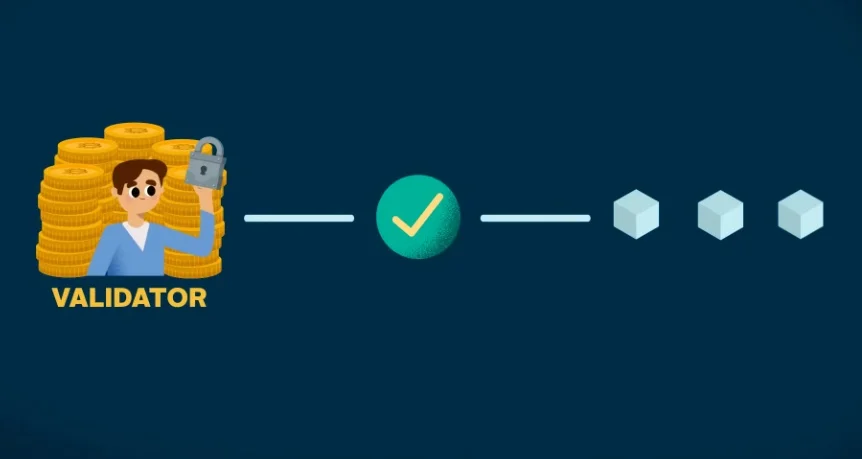
Here’s how it typically works for network security:
- Users or validators "lock up" a specific amount of their tokens.
- These locked tokens are then used to participate in network consensus, which verifies and adds new groups of transactions (blocks) to the blockchain.
- For their role in securing the network, stakers receive newly created cryptocurrency as staking rewards. These rewards are a form of payment for their contribution.
Proof-of-Stake: A method used by some cryptocurrency networks where users lock up tokens to help secure the network. Validators: Individuals or computers that confirm transactions and secure a Proof-of-Stake network. Network consensus: The process by which all computers in a network agree on the correct history of transactions. Blockchain: A secure, shared digital record of information. Staking rewards: New cryptocurrency tokens earned by participants for helping to secure a Proof-of-Stake network.
Why Does Staking Matter?
Staking matters because it significantly contributes to the security of Proof-of-Stake cryptocurrency networks. When more people stake their tokens, it becomes much more difficult and costly for any malicious group to disrupt or take over the network. This collective participation makes the network more robust against attacks.
Stakers also have a strong incentive to ensure the network remains honest and functions correctly. Since they are earning staking rewards, they want the tokens they receive to hold value. If the network were to fail or become compromised, their staked tokens and rewards would lose worth, motivating them to act in the network's best interest.
Common Misconceptions
Here are some common misunderstandings about staking:
- All staking helps secure the network: Not always. While traditional Proof-of-Stake staking directly secures the network, many modern uses of "staking" are more like loyalty programs. These might offer benefits like boosted yields or voting power without directly securing the core network.
- Staking is always a safe investment: Be cautious. Some staking mechanisms can operate similarly to Ponzi schemes, where new user funds are used to pay existing users, rather than investing in meaningful development. Always research the purpose and sustainability of any staking opportunity.

Ponzi schemes: Fraudulent investment operations that pay returns to earlier investors with money taken from later investors.
Staking vs. Liquid Staking
There are different ways to stake your cryptocurrency. One important distinction is between standard staking and liquid staking.
Standard Staking | Liquid Staking | |
|---|---|---|
Token Usage | Your tokens are typically locked and cannot be used for other purposes while staked. | Your tokens are locked, but you receive a "liquid staking token" in return. |
Flexibility | Less flexible, as staked tokens are inaccessible for other activities. | More flexible, as the liquid staking token can be used in other parts of the cryptocurrency ecosystem. |
Underlying Purpose | Directly contributes to securing the Proof-of-Stake network. | Directly contributes to securing the Proof-of-Stake network, while also allowing parallel use of value. |
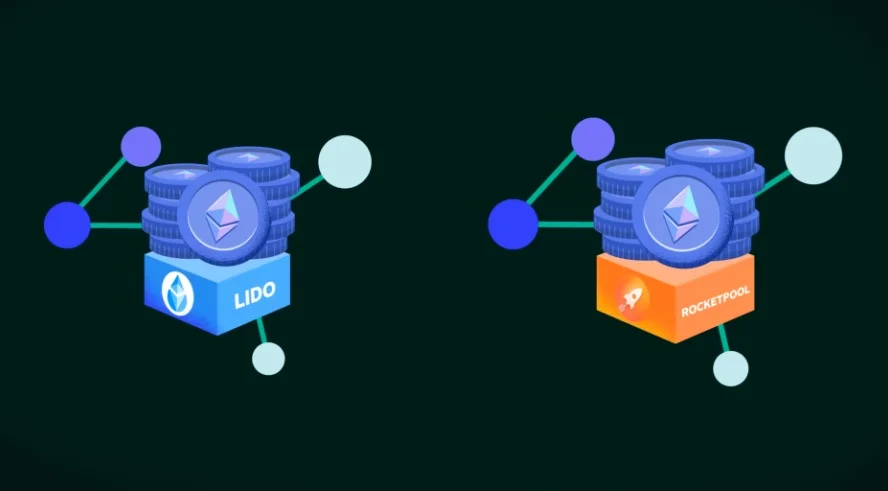
Liquid staking: A method of staking where users receive a separate token representing their staked assets, allowing them to use the value of their staked assets elsewhere.
Key Terms You Should Know
Term | Plain-English Meaning |
|---|---|
Staking | The process of committing cryptocurrency tokens to support a network, often for rewards. |
Cryptocurrency | A type of digital money that uses cryptography for security. |
Tokens | Digital assets that exist on a cryptocurrency network. |
Proof-of-Stake | A method used by some cryptocurrency networks where users lock up tokens to help secure the network. |
Validators | Individuals or computers that confirm transactions and secure a Proof-of-Stake network. |
Network consensus | The process by which all computers in a network agree on the correct history of transactions. |
Blockchain | A secure, shared digital record of information. |
Staking rewards | New cryptocurrency tokens earned by participants for helping to secure a Proof-of-Stake network. |
Ponzi schemes | Fraudulent investment operations that pay returns to earlier investors with money taken from later investors. |
Liquid staking | A method of staking where users receive a separate token representing their staked assets, allowing them to use the value of their staked assets elsewhere. |
Frequently Asked Questions
Is staking safe?
While participating in network security through staking generally has built-in incentives for honest behavior, some staking mechanisms can be risky. Always research the specific project and understand if the rewards are sustainable or if it resembles a fraudulent scheme.
Do I need to stake to use crypto?
No, you do not need to stake to use cryptocurrency. Staking is one way to participate in securing certain networks and earn rewards, but it's not required for general crypto use or ownership.
How is liquid staking different from regular staking?
Liquid staking allows you to use your staked assets elsewhere in the cryptocurrency ecosystem, even while they are locked up for staking. With standard staking, your tokens are typically locked and unavailable for other uses until you "unstake" them.
Can anyone stake crypto?
Yes, typically. If a cryptocurrency network supports staking, many avenues are available for users to participate. While some networks, such as Ethereum, might require a large amount of tokens (like 32 ETH) to run a personal validator, other options like using a centralized exchange or decentralized platforms often make staking accessible to those with smaller amounts of tokens.