MetaMask vs Trust Wallet: Multi-Chain Support and Ease of Use Quick Comparison
Feature | MetaMask | Trust Wallet |
|---|---|---|
Default Networks | Ethereum, EVM-compatible | Wide variety (Bitcoin, Ethereum, Solana, etc.) |
Non-EVM Support | No native support | Native support for Bitcoin, Solana, Cosmos, etc. |
Custom Network Addition | Manual, can be confusing | Popular networks added by default |
Browser Extension | Battle-tested, mature | Newer, less battle-tested |
Hardware Wallet Comp. | Yes | No (browser extension) |
Disclaimer: This article is for informational purposes only and does not constitute financial advice. Always conduct your own research before making any financial decision.
What Is MetaMask?
MetaMask is a software cryptocurrency wallet available as a browser extension and mobile app. It is primarily used to store, send, receive, buy, exchange, stake, or swap cryptocurrencies and crypto assets.
By default, MetaMask supports the Ethereum blockchain and its growing ecosystem of dApps, including DeFi platforms and NFT marketplaces. It has also expanded to support all EVM-compatible networks such as Binance Smart Chain, Avalanche, Polygon, Optimism, and Arbitrum.
Ethereum: A decentralized, open-source blockchain system that features its own cryptocurrency, Ether, and functions as a platform for numerous other cryptocurrencies, as well as for the execution of decentralized smart contracts. EVM-compatible: Refers to blockchains that are compatible with the Ethereum Virtual Machine, allowing them to run smart contracts and dApps built for Ethereum. dApps: Short for decentralized applications, these are applications that run on a blockchain or P2P network of computers instead of a single computer. DeFi: Short for Decentralized Finance, an umbrella term for financial applications enabled by blockchain technology. NFTs: Short for Non-Fungible Tokens, unique cryptographic tokens that exist on a blockchain and cannot be replicated.
What Is Trust Wallet?
Trust Wallet is an alternative software cryptocurrency wallet and is the official self-custodial hot wallet of Binance. Like MetaMask, it allows users to transact and store Ethereum-based tokens and a broad range of other cryptocurrencies like XRP and Bitcoin.
Trust Wallet functions as an all-in-one app, offering extensive features from providing users with access to a dApp browser to options for earning interest through staking. It recently released a browser extension that offers a similar user interface to MetaMask.
Supported Assets Compared
Dimension | MetaMask | Trust Wallet |
|---|---|---|
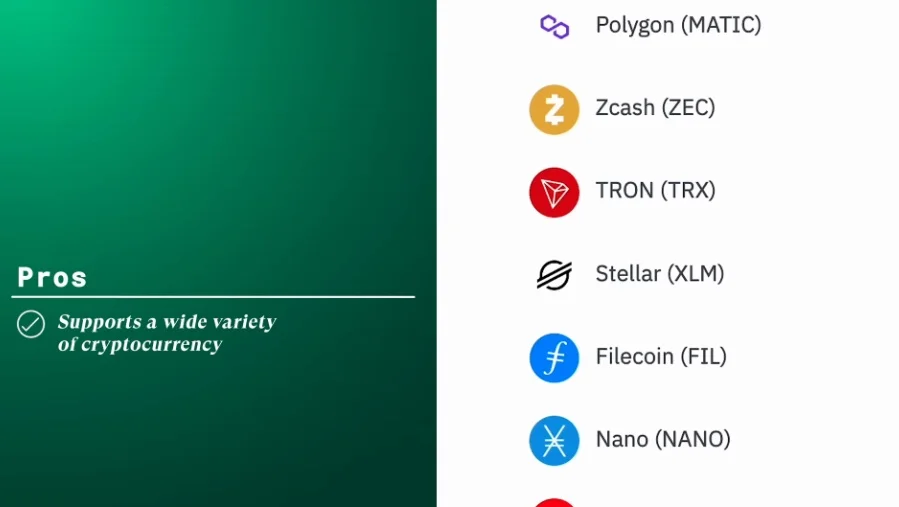
Default Blockchain Support | Ethereum, EVM networks | Wide variety (Bitcoin, Ethereum, Solana, Cardano, Ripple, XRP) |
Non-EVM Chain Support | No native support (e.g., Bitcoin, Solana, Cosmos) | Native support for Bitcoin, Solana, Cosmos, and others |
Custom Network Addition | Manual addition required for non-default EVM chains | Popular chains like BNB Chain, Avalanche, Polygon added out of the box |
MetaMask primarily supports the Ethereum ecosystem by default and requires users to manually add non-Ethereum custom blockchain networks. It does not natively support non-EVM chains like Bitcoin, Solana, or Cosmos. Trust Wallet, however, natively supports a wide variety of cryptocurrency chains including Bitcoin, Ethereum, Solana, and many others, with popular networks added by default.
User Experience Compared
Dimension | MetaMask | Trust Wallet |
|---|---|---|
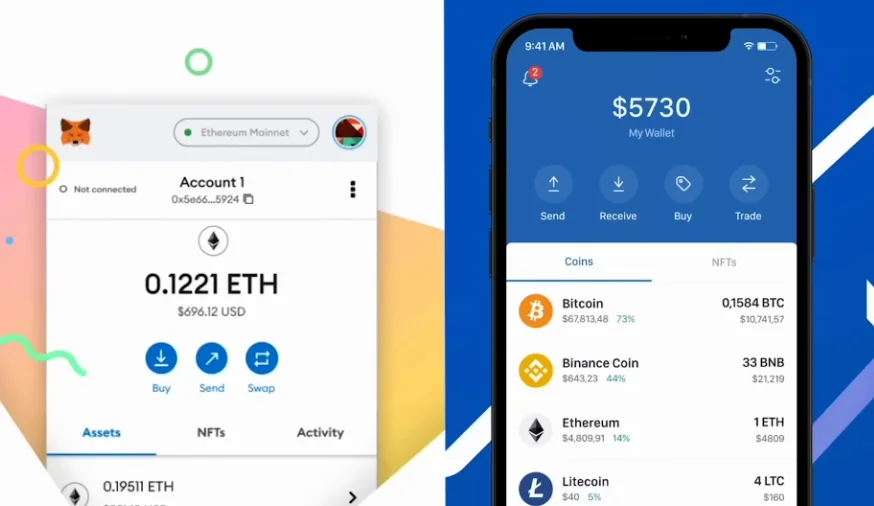
Beginner Friendliness | Manual network addition can be confusing for beginners | More beginner-friendly, popular networks added by default |
Mobile App Experience | Some users may find it clunky | All-in-one app experience |
Browser Extension UI | Established and widely used | Similar UI to MetaMask, newer |
MetaMask requires manual addition of non-Ethereum custom blockchain networks, which can be confusing for beginners. Its most widely used product is its desktop browser extension, and some users find the mobile app a bit clunky. Trust Wallet is considered more beginner-friendly, with popular networks and tokens added by default, making it an all-in-one app.
Security Compared
Dimension | MetaMask | Trust Wallet |
|---|---|---|
Wallet Type | Software wallet | Software wallet |
Vulnerability | Vulnerable to hacking via phishing, malware | Susceptible to hacking attempts like all software wallets |
Hardware Wallet Support | Compatible with hardware wallets | No hardware wallet integrations for now (browser extension) |
Browser Extension Maturity | Battle-tested, mature | Newer addition, not as battle-tested |
Both MetaMask and Trust Wallet are software-based cryptocurrency wallets and are considered vulnerable to hacking attempts via phishing, malware, and other means, more so than cold wallets. MetaMask offers compatibility with hardware wallets to enhance security. Trust Wallet's browser extension is a newer addition and has not been as battle-tested as MetaMask.
Ecosystem and Integrations Compared
Dimension | MetaMask | Trust Wallet |
|---|---|---|
dApp Integration | Integrated with every Ethereum and EVM-based dApp | Built-in dApp browser |
Centralized Exchange (CEX) Integration | None mentioned natively | Integrated with features from Coinbase Pay or Binance Pay for direct transfers |
MetaMask is highly integrated with virtually every Ethereum and EVM-based dApp. Trust Wallet offers an open-source dApp browser via its mobile app and provides integrations with centralized exchange features like Coinbase Pay or Binance Pay, allowing direct transfers from exchange accounts.
Staking and Yield Compared
Dimension | MetaMask | Trust Wallet |
|---|---|---|
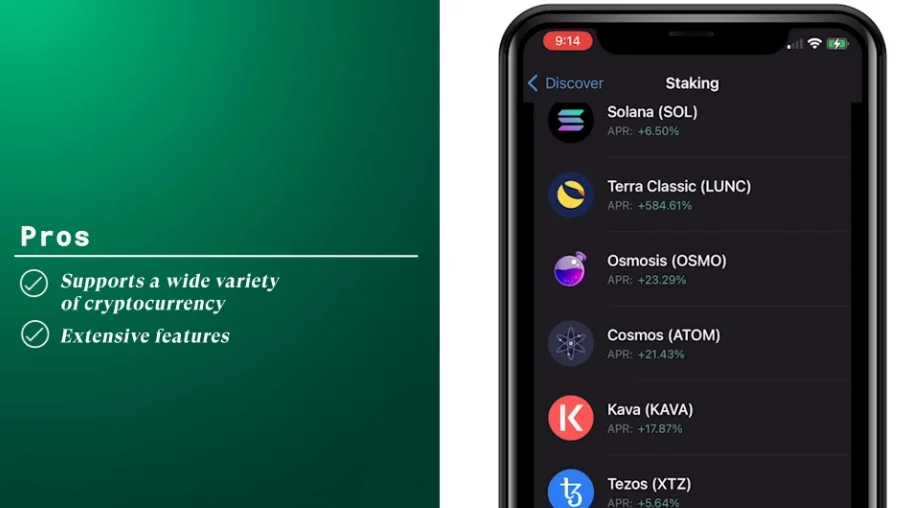
Native In-App Staking | Can stake/swap cryptocurrencies (general) | Integrated features for staking various cryptocurrencies (e.g., Atom, Dot, Soul) |
While both wallets allow for general cryptocurrency transactions including swaps and the ability to interact with staking platforms, Trust Wallet specifically offers integrated features for staking various cryptocurrencies directly from its mobile app, such as Atom, Dot, and Solana.
Who Should Use MetaMask?
- Users who primarily use Ethereum and EVM chains.
- Individuals seeking a simple, tried, and tested app for their EVM ecosystem interactions.
- Users who want to use their web-based wallet with a hardware wallet for enhanced security.
Who Should Use Trust Wallet?
- Users with a wide variety of crypto assets across different blockchains, including Bitcoin.
- Individuals who dabble in the Solana ecosystem.
- Beginners looking for an all-in-one app with popular networks and tokens already added by default.
Side-by-Side Summary
Dimension | MetaMask | Trust Wallet |
|---|---|---|
Primary Focus | Ethereum and EVM-compatible networks | Multi-chain support (EVM and non-EVM) |
Supported Chains | Ethereum, BSC, Avalanche, Polygon, Optimism, Arbitrum | Bitcoin, Ethereum, Solana, Cardano, Ripple, XRP, and many more |
Custom Network Add. | Manual, can be confusing | Popular networks added by default |
Non-EVM Support | No native support | Native support |
Beginner Friendliness | Less beginner-friendly for network setup | More beginner-friendly |
Mobile App | Can be clunky for some users | All-in-one app experience |
Browser Extension | Battle-tested, widely used | Newer, less battle-tested |
Hardware Wallet Support | Yes | No (browser extension) |
dApp Integration | Extensive with EVM dApps | Built-in dApp browser |
CEX Integrations | No native CEX pay integrations | Coinbase Pay, Binance Pay integrations |
Native Staking | General staking/swapping | Integrated staking for assets like Atom, Dot, Soul |
Security | Software wallet, vulnerable, hardware wallet compatible | Software wallet, vulnerable, no hardware wallet integration for extension |
Frequently Asked Questions
Is MetaMask better than Trust Wallet?
The choice between MetaMask and Trust Wallet depends on specific user needs. MetaMask is generally preferred by users who primarily interact with the Ethereum and EVM ecosystems, especially with hardware wallet support. Trust Wallet is often more suitable for users who require broad multi-chain support, including non-EVM chains like Bitcoin and Solana, and prefer a more beginner-friendly, all-in-one mobile experience.
Which is safer — MetaMask or Trust Wallet?
Both MetaMask and Trust Wallet are software wallets, making them inherently more susceptible to hacking attempts (phishing, malware) than hardware (cold) wallets. MetaMask offers compatibility with hardware wallets for an added layer of security, which Trust Wallet's browser extension currently lacks. MetaMask's browser extension has also been more battle-tested over time compared to Trust Wallet's newer browser extension.
Can I use both MetaMask and Trust Wallet?
Yes, users can use both MetaMask and Trust Wallet. Many cryptocurrency users maintain multiple wallets to suit different needs, such as using MetaMask for EVM dApp interactions and Trust Wallet for managing a wider variety of non-EVM assets or utilizing its integrated staking features.
Which is better for beginners?
Trust Wallet is generally considered more beginner-friendly. It natively supports a wide variety of cryptocurrencies and automatically adds popular networks, which simplifies the initial setup process. In contrast, MetaMask requires manual addition of non-Ethereum EVM networks, which can be confusing for new users.
Does MetaMask natively support Bitcoin?
No, MetaMask does not natively support Bitcoin or other non-EVM chains like Solana or Cosmos. It primarily supports Ethereum and EVM-compatible networks by default.
Can I stake cryptocurrencies directly in MetaMask?
While MetaMask allows for swapping cryptocurrencies and interacting with DeFi platforms where staking is possible, Trust Wallet offers integrated features for staking various cryptocurrencies directly within its mobile app, such as Atom, Dot, and Solana.