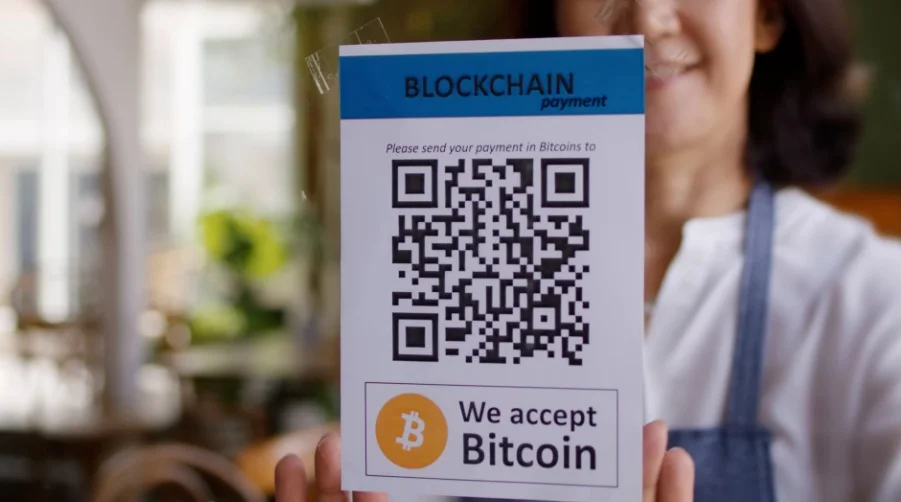
"Bitcoin" is often used to describe both a revolutionary online network and the digital currency that powers it. It's a software program and an online system that lets people send digital value to each other over the internet. This happens directly, without needing any bank or other company in the middle.Imagine you owe a friend ten dollars. The fastest and most private way to pay them is with cash directly. This is a peer-to-peer transaction – just you and your friend, no one else involved, and no need to trust a middleman. Bitcoin aims to bring this same direct, private, and fast experience to digital money.
Disclaimer: This article is for informational purposes only and does not constitute financial advice. Always conduct your own research before making any financial decision.
What Is Bitcoin?
Bitcoin (with a capital B) refers to the entire software program and online network. This network enables the transfer of digital value directly between individual users. The digital currency itself is also called Bitcoin (with a small b) or often BTC.
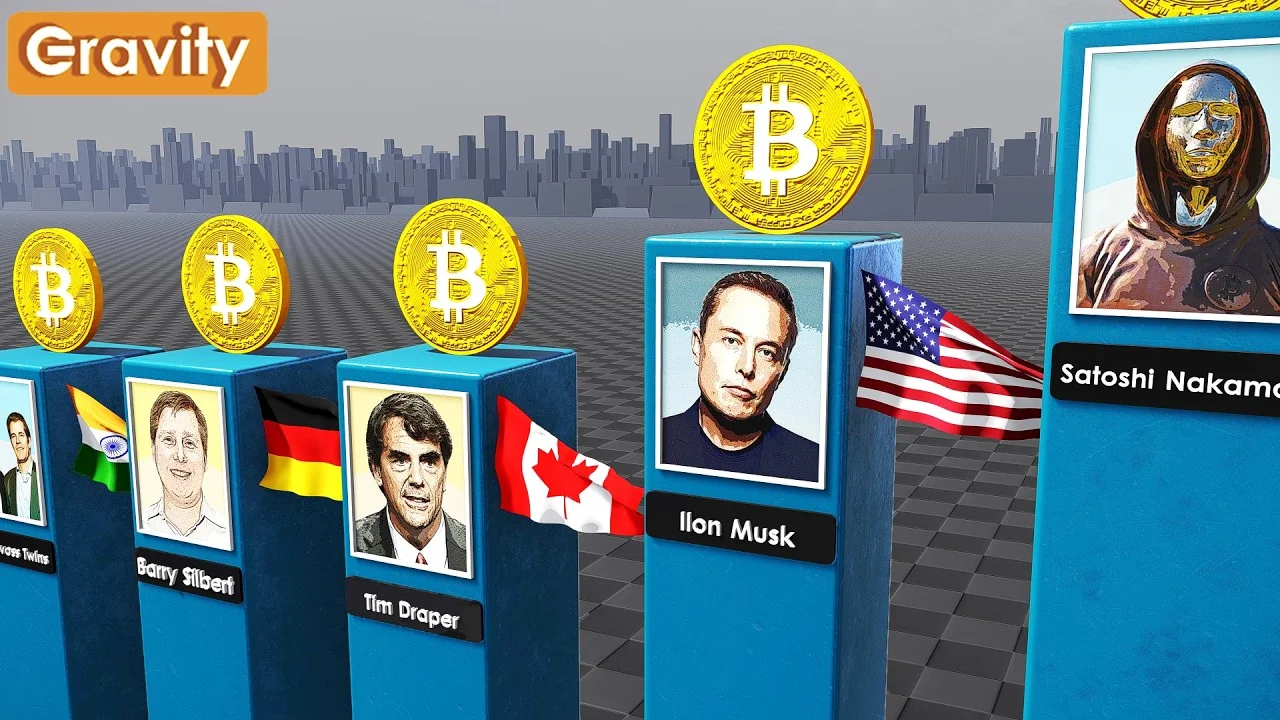
Think of BTC as the digital cash you send on the Bitcoin network. An unknown individual or group, using the name Satoshi Nakamoto, created this system. Satoshi published a document called the Bitcoin white paper in 2008, explaining how this digital cash system would work. 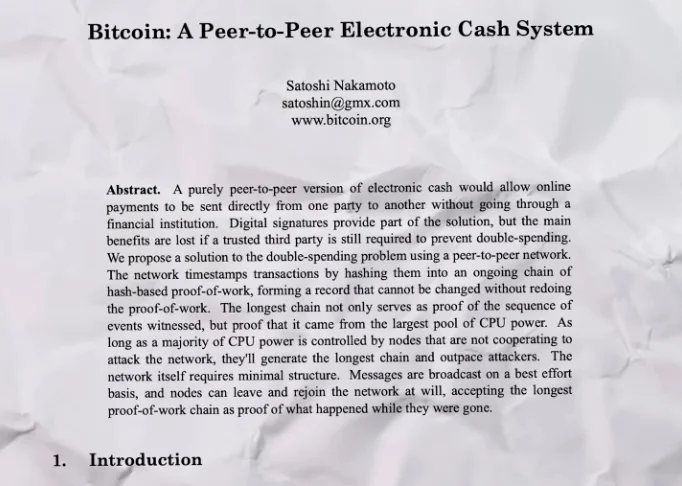
The core idea was to allow online payments to be sent directly from one person to another. This avoids using traditional financial institutions as intermediaries. It creates a system where trust isn't placed in a single company, but rather in the network itself.
How Does Bitcoin Work?
The biggest challenge Satoshi Nakamoto faced was how to create a digital payment system without a central authority. Without a bank tracking everything, how do you prevent people from spending their digital money multiple times? Bitcoin solves this by creating a system that doesn't require people to trust each other or a central company. 
Instead of a single bank keeping records, everyone on the Bitcoin network helps maintain a shared, public record of all transactions. A Bitcoin node is simply a computer running the Bitcoin software. Each node acts like an individual bookkeeper, keeping a complete copy of this shared record. This shared record is called a distributed ledger.
Here's how transactions are processed and recorded:
- When people send BTC, these transactions are collected together.
- Every few minutes, records of validated transactions are grouped into a block.
- These blocks are then linked together, one after another, to form a continuous blockchain.
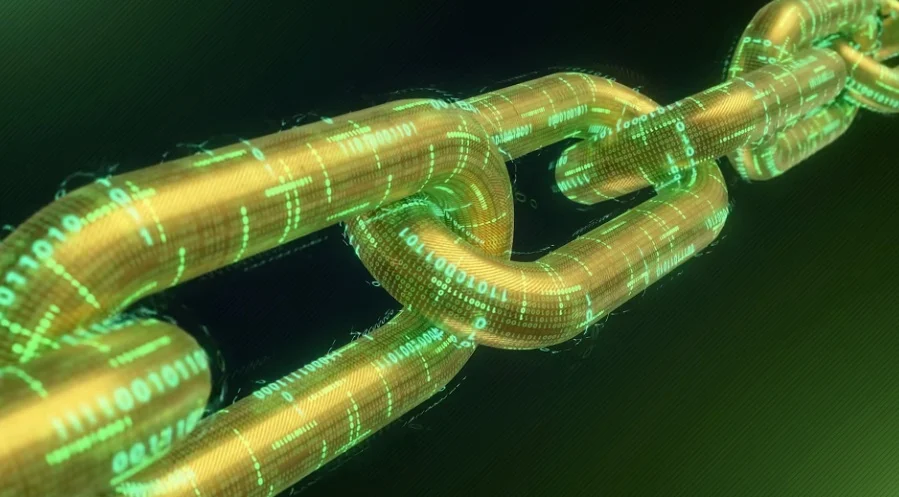
- Each new block is connected to the previous one using an encoding process called hashing. This makes the blockchain very secure; if someone tries to change information in an old block, all subsequent blocks would also need to be changed, which the network would detect and reject. This makes the record of transactions immutable, meaning it cannot be changed once recorded.
The network is maintained by special nodes called miners. Miners are computers that use a lot of computing power to solve a complex puzzle. This puzzle is part of a process called Proof of Work.
Proof of Work: The method used by Bitcoin miners to compete for block rewards and maintain an accurate, honest record of all transactions. Miners compete to be the first to solve the puzzle for a new block of transactions. The first miner to succeed gets to add the new block to the blockchain and receives newly created BTC as a block reward. This process helps secure the network and ensures all transactions are recorded correctly. There will only ever be a fixed maximum supply of 21 million BTC, which are gradually released through these block rewards.
To access and control your BTC, you use special digital keys.
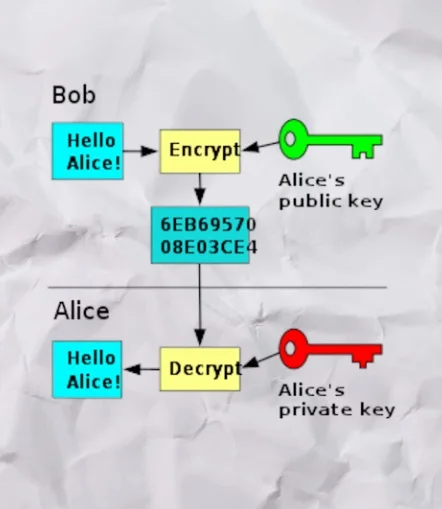
- A private key is a secret code, like a password, that proves you own your BTC. It is randomly generated and must be kept absolutely secret.
- This private key is then used to create a public key. The public key is derived mathematically from your private key, but it's impossible to work backward from a public key to find the private key.
- Your Bitcoin address is generated from your public key. This address is what you share with others if you want them to send you BTC. It's similar to sharing your bank account number to receive a payment.
A Bitcoin wallet is a software application that stores your private keys and addresses. It allows you to interact with the Bitcoin network to send and receive BTC.
Bitcoin wallet: Software that stores your private keys and address, allowing you to interact with the Bitcoin network to send and receive funds.
For those interested in secure Bitcoin storage, many people choose self-custody.
Self-custody: Storing your private keys yourself, so that only you have access to your Bitcoin, rather than relying on a third party like an exchange. One way to achieve self-custody is by using a hardware wallet. Hardware wallet: A physical, encrypted device that stores your private keys without interacting directly with the internet, offering the highest level of security.
Why Does Bitcoin Matter?
Bitcoin solves the problem of needing a trusted third party, like a bank, to handle digital money transfers. In traditional systems, you have to trust that the bank will keep accurate records, won't be hacked, and won't devalue your money. Bitcoin was designed to remove this need for trust in a central entity.
With Bitcoin, transactions are peer-to-peer and private; only the sender and receiver truly need to know about them. 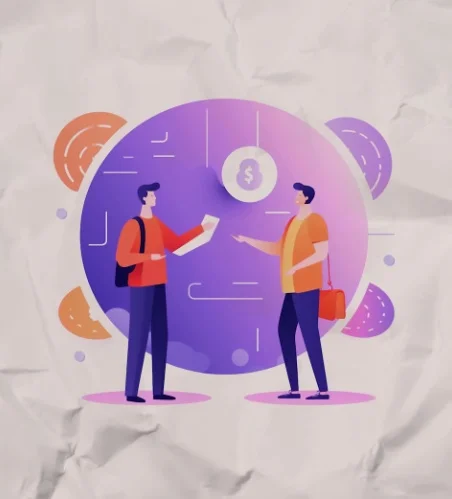 There are no middlemen, which can make transfers faster, especially across different countries, and can potentially avoid high fees. The immutable nature of the blockchain also means that once a transaction is recorded, it's virtually impossible to alter or destroy that record.
This system provides a way to transfer digital value that is open to anyone with an internet connection. It offers an alternative to traditional financial systems that can be slow, expensive, and reliant on centralized control.
Key Terms You Should Know
Term | Plain-English Meaning |
|---|---|
Bitcoin (Network) | The online software and network that allows digital value transfers. |
BTC (Currency) | The digital currency used on the Bitcoin network. |
Satoshi Nakamoto | The unknown creator of Bitcoin. |
Peer-to-peer transaction | A direct exchange between two individuals, without a middleman. |
Bitcoin node | A computer running the Bitcoin software that helps maintain the network's transaction record. |
Distributed ledger | A shared, constantly updated record of all transactions, maintained by all network participants. |
Block | A group of validated transactions on the Bitcoin network. |
Blockchain | A chain of linked blocks, forming a complete, unchangeable record of all Bitcoin transactions. |
Hashing | An encoding process that links blocks together and makes the blockchain secure. |
Immutable | Unchangeable; once a record is on the blockchain, it cannot be altered. |
Miner | A participant on the Bitcoin network who uses computing power to add new blocks and secure transactions. |
Proof of Work | The method miners use to compete to add new blocks and secure the network. |
Block reward | The newly created BTC received by a miner for successfully adding a block. |
Private key | A secret code that acts like a password, proving ownership of your BTC. |
Public key | A code generated from your private key, used to derive your Bitcoin address. |
Bitcoin address | A public code used to receive BTC, similar to a bank account number. |
Bitcoin wallet | Software that stores your private keys and addresses, allowing you to manage your BTC. |
Self-custody | The practice of storing your private keys yourself, giving you full control over your BTC. |
Hardware wallet | A physical, encrypted device that stores private keys offline for maximum security. |
Common Misconceptions
- You need to run a Bitcoin node or be a miner to use Bitcoin.
- Correction: Anyone with an internet connection can use Bitcoin to send or receive BTC. You do not need to operate a node or mine to simply use the currency.
- You physically "hold" Bitcoin coins in your wallet.
- Correction: When you "hold" BTC in a wallet, you are actually holding the private keys that give you access to your balance on the blockchain. The BTC themselves exist as entries on the shared, distributed ledger.
Frequently Asked Questions
Is Bitcoin safe?
Bitcoin is designed with strong security features, using advanced encryption for transactions and an immutable blockchain that is virtually impossible to tamper with. However, the safety of your BTC largely depends on how you manage your private keys. Keeping your private keys secret and secure, ideally through self-custody using a hardware wallet, is crucial for safety.
Do I need to run a Bitcoin node to use it?
No, you do not need to run a Bitcoin node or be a miner to use Bitcoin. Anyone with an internet connection can send and receive BTC. Running a node simply helps support the network and verify transactions.
How is Bitcoin different from traditional online payments?
Bitcoin differs because it removes the need for a central middleman like a bank or payment processor. It uses a peer-to-peer transaction system and a distributed ledger to record payments, giving users more direct control. Traditional online payments always rely on a trusted third party to facilitate and verify the transfer.
Can anyone use Bitcoin?
Yes, anyone with an internet connection can use Bitcoin to send and receive BTC. The system is open and does not require permission from a bank or government. You just need a Bitcoin wallet or a Bitcoin ATM to get started. 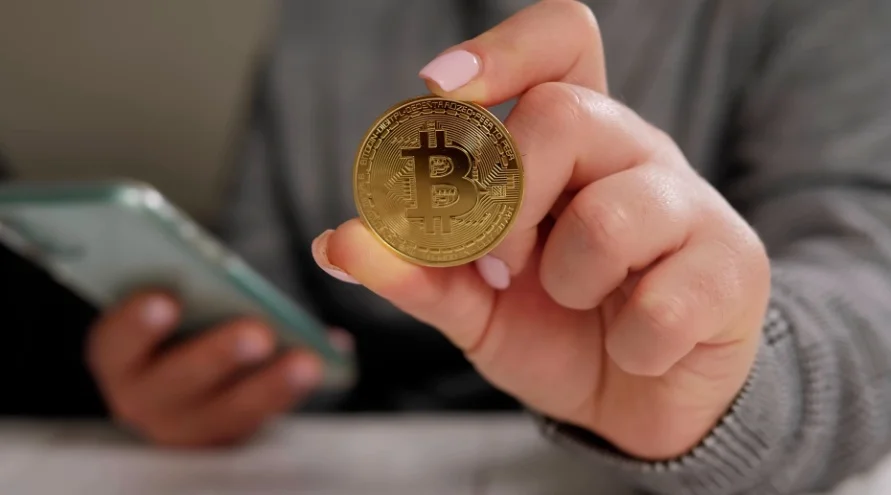
What is the purpose of Bitcoin mining?
Bitcoin mining serves two main purposes. First, miners compete to validate and add new blocks of transactions to the blockchain, securing the network. Second, successful miners receive a block reward of newly created BTC, which is how new coins are introduced into circulation up to the fixed maximum supply of 21 million.